
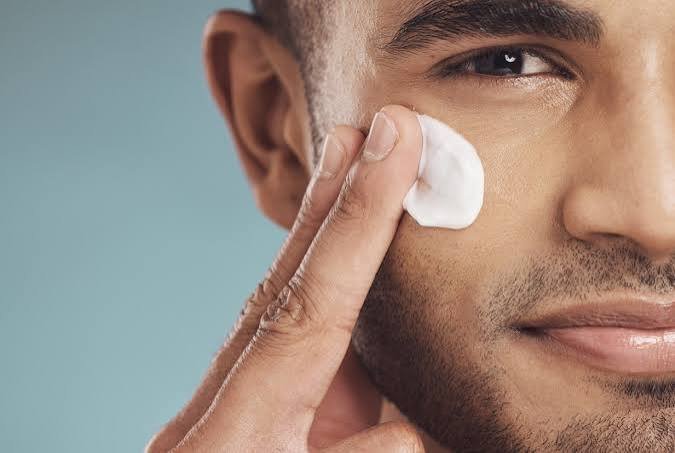
Common Skin Concerns Men Can Address With Professional Treatments
Men’s skin faces daily challenges, from shaving irritation and excess oil to acne, pigmentation, and early signs of aging. While a consistent skincare routine can help maintain healthy skin, some concerns require professional attention. Understanding the available treatments can help men make informed decisions about their skin without relying on trial and error.
1. Acne and Persistent Breakouts
Acne is a common concern among men, particularly those with oily skin. Hormonal activity can increase oil production, allowing dead skin cells and excess sebum to clog pores. Sweat, pollution, and unsuitable skincare products may also contribute to breakouts.
Professional treatments can help manage persistent acne and reduce the risk of scarring. Depending on the severity, a dermatologist may recommend prescription medication, chemical peels, or other targeted procedures. A proper assessment is important because different types of acne respond to different treatments.
Men experiencing recurring breakouts may also benefit from professional guidance on men’s skin care and facials, particularly when dealing with excess oil, clogged pores, and irritation. The Vancouver Aesthetician takes a personalized approach to these concerns, helping clients explore treatments suited to their skin type, condition, and individual goals.
2. Razor Bumps and Shaving Irritation
Frequent shaving can cause redness, razor burn, ingrown hairs, and inflamed hair follicles. These issues are particularly common among men with coarse or curly facial hair, as cut hairs can sometimes grow back into the skin.
Using a sharp, clean razor, shaving in the direction of hair growth, and applying a gentle moisturizer may help reduce irritation. Men who experience persistent razor bumps should consider consulting a dermatologist for advice on suitable treatments.
Depending on the cause, professional options may include topical medication or laser hair reduction. Avoiding aggressive exfoliation on irritated skin can also help prevent further discomfort.
3. Oily Skin and Enlarged Pores
Excess oil can make the face appear shiny and contribute to clogged pores and breakouts. Although pores cannot be permanently eliminated, appropriate skincare can make them less noticeable by reducing oil buildup and improving skin texture.
A skincare professional can recommend suitable cleansers, oil-control products, and treatments based on individual skin needs. Chemical exfoliants, including salicylic acid, may help clear clogged pores when used appropriately.
Overwashing is not the solution. Harsh cleansers can irritate the skin and disrupt its protective barrier, making a balanced routine more beneficial.
4. Dark Spots and Uneven Skin Tone
Sun exposure, previous acne, and inflammation can leave dark marks on the skin. These areas may take months to fade and can become more noticeable without proper sun protection.
Treatment depends on the underlying cause and skin type. Options may include topical brightening ingredients, chemical peels, or selected laser treatments under professional supervision.
Daily broad-spectrum sunscreen is essential for preventing further pigmentation and supporting treatment results. Men with persistent or changing dark spots should seek professional assessment before trying strong lightening products.
5. Fine Lines and Premature Aging
Fine lines, wrinkles, and reduced skin elasticity develop naturally with age. Repeated sun exposure, smoking, and other lifestyle factors can accelerate visible aging.
A consistent routine that includes moisturizer and sunscreen can help protect the skin. For more noticeable concerns, a qualified professional may discuss options such as retinoids, chemical peels, microneedling, or selected laser procedures.
The most appropriate treatment depends on the depth of wrinkles, skin condition, expected results, and willingness to manage recovery time. Realistic expectations are important because no single procedure can stop the aging process.
6. Dryness and Dehydrated Skin
Dry or dehydrated skin may feel tight, rough, flaky, or uncomfortable, especially after shaving or exposure to harsh weather. Using hot water, strong soaps, or alcohol-heavy aftershaves can worsen these symptoms.
A gentle cleanser and a moisturizer containing ingredients such as ceramides or hyaluronic acid may help support hydration. If dryness persists despite these changes, professional evaluation can identify possible causes, including eczema or contact dermatitis.
Persistent itching, cracking, or inflammation should not be treated with cosmetic products alone. Appropriate medical care can help address the underlying problem.
7. Acne Scars and Uneven Texture
Even after acne clears, scars and uneven skin texture may remain. These marks can include shallow depressions, raised scars, or areas of discoloration.
Treatment depends on the type and severity of scarring. A dermatologist may recommend microneedling, fractional laser treatment, chemical peels, or other procedures when appropriate. Several sessions may be necessary, and results vary between individuals.
Active acne should generally be controlled before undertaking many scar-focused procedures. Professional guidance also helps reduce the risk of irritation or pigmentation changes, particularly in darker skin tones.
8. Redness and Sensitive Skin
Persistent redness, burning, or sensitivity can result from shaving, unsuitable skincare products, environmental triggers, or conditions such as rosacea.
Switching to fragrance-free products and avoiding harsh scrubs may help reduce irritation. However, ongoing redness or frequent flushing deserves professional assessment because the cause determines the most effective approach.
A dermatologist can recommend suitable treatments and identify ingredients or habits that may be aggravating the condition. Men should avoid using strong steroid creams on the face without medical advice.
Building a Practical Skincare Routine
Professional treatments work best when supported by consistent daily habits. Men can start with a straightforward routine:
- Cleanse: Use a gentle cleanser suited to the skin type.
- Moisturize: Apply a moisturizer to support the skin barrier.
- Protect: Use broad-spectrum SPF 30 or higher sunscreen daily.
- Treat selectively: Introduce targeted products gradually rather than combining several strong ingredients at once.
- Seek advice: Consult a qualified professional when a concern persists, worsens, or causes discomfort.
Not every skin concern requires an expensive procedure. Often, identifying the underlying cause and making a few appropriate changes can improve the skin’s condition.
Final Thoughts
Acne, shaving irritation, pigmentation, dryness, and visible aging are common skin concerns that men can address with the right combination of daily care and professional guidance. The best approach depends on individual skin type, medical history, and treatment goals.
Rather than experimenting with multiple products, men should focus on understanding their skin and choosing evidence-based solutions. With a consistent routine and professional support when necessary, maintaining healthier-looking skin can become a practical part of everyday self-care.
Name: The Vancouver Aesthetician
Address: 658 Homer St #410, Vancouver, BC V6B 2R4, Canada
Phone: +1 604-332-6662