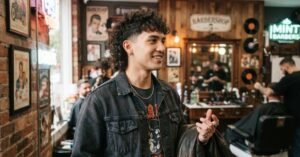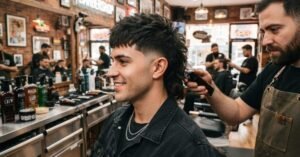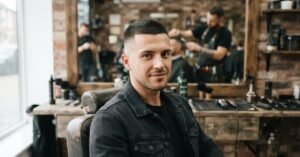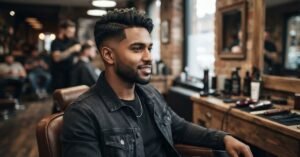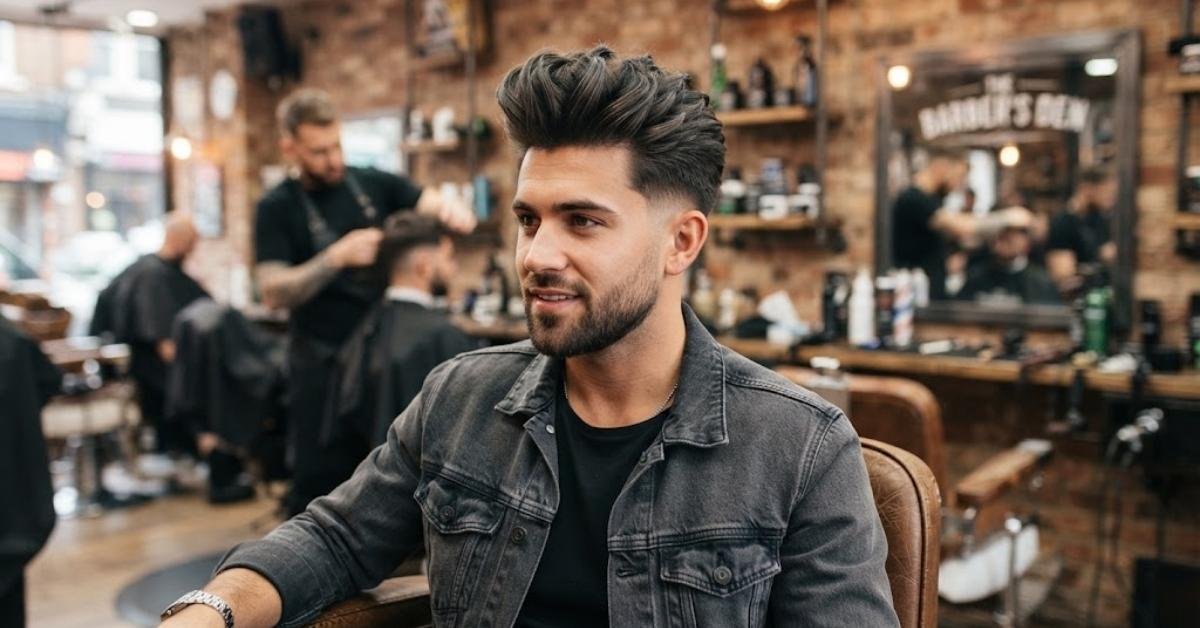
The quiff has stayed at the top of men’s hairstyle trends for decades, and it isn’t slowing down in 2026. Part pompadour, part brush up, this haircut takes the hair on top and pushes it upward and back, creating height at the front while the sides stay short and clean. It works on straight hair, curly hair, and everything in between, which is exactly why barbers keep recommending it.
What makes the quiff so popular is its flexibility. You can wear it sleek and polished for the office, messy and undone for the weekend, or paired with a sharp fade for an edgier finish. Whether you have a round face, a square jaw, or fine hair that needs extra volume, there’s a version of the quiff built for you.
In this guide, we’re breaking down 28 of the best quiff haircut ideas men are asking their barbers for right now. Each style includes what makes it different, who it suits, and simple styling tips so you can walk into your next barber appointment knowing exactly what to ask for.
Trendy Men’s Quiff Haircut Ideas
Classic Quiff
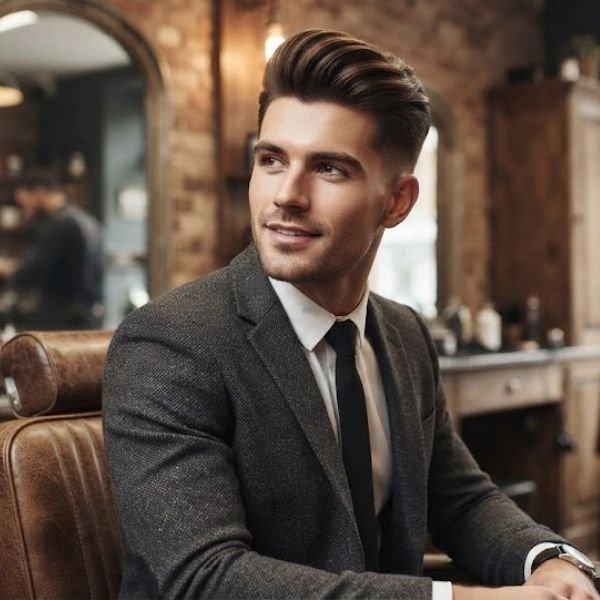
The classic quiff is where it all started, and it’s still the safest, most versatile option on this list. It features moderate height on top, swept back cleanly, with the sides kept short but not necessarily faded. This cut works for almost any hair type and suits both formal and casual settings without much fuss.
To style it, blow dry the top section forward and slightly upward while it’s damp, then finish with a light hold pomade for a smooth, natural sheen. It’s an ideal starting point if you’ve never tried a quiff before.
Messy Quiff
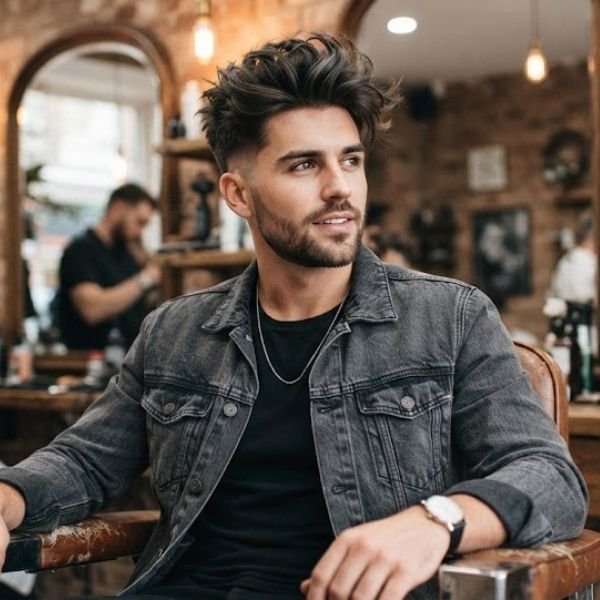
The messy quiff takes the structure of a traditional quiff and loosens it up. Instead of a sleek, combed finish, the hair is tousled by hand using a matte paste or texturizing spray for a lived in, effortless look.
This style suits men with naturally thick or wavy hair, since the added texture holds shape without extra product. It’s a great choice for anyone who wants volume on top but doesn’t want to spend ten minutes in front of the mirror every morning.
Textured Quiff
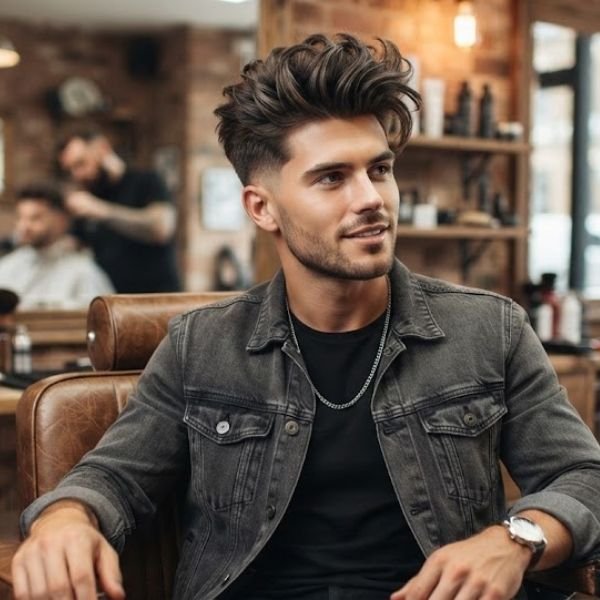
A textured quiff relies on choppy, layered ends rather than a single smooth block of hair. The layers catch light differently and create natural movement, which gives the whole style more depth than a classic quiff.
Ask your barber for point cutting or texturizing shears on top to break up the hair strands. Style with a matte clay and scrunch the ends upward with your fingers rather than combing, so the texture stays visible.
Modern Quiff
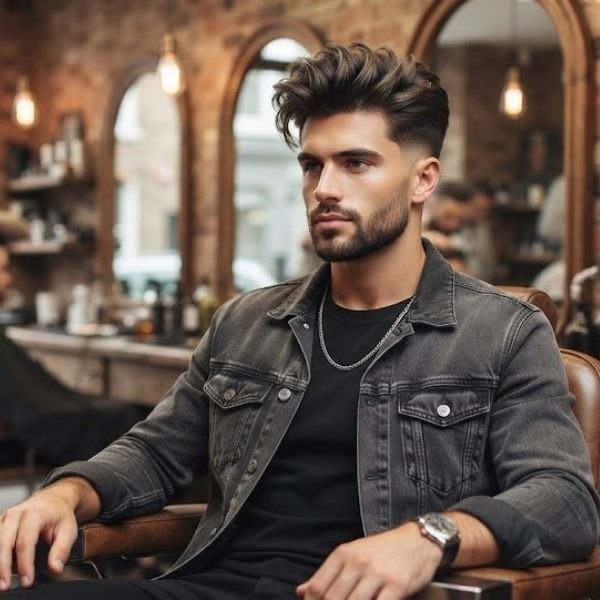
The modern quiff updates the traditional silhouette with cleaner lines and often pairs it with a fade or hard part. It keeps the swept back volume on top but tightens up the sides for a sharper, more current finish.
This variation suits men who want something that reads as fashionable without looking dated or overly retro. It’s a solid choice for a job interview, a first date, or everyday wear.
Short Quiff
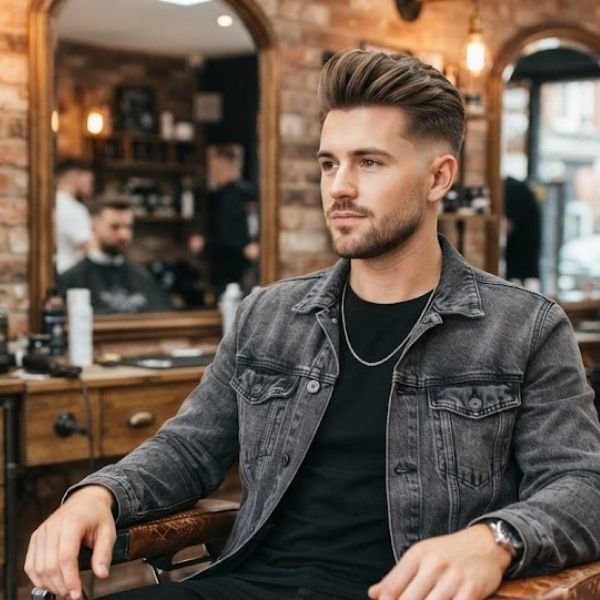
For men who prefer low maintenance styling, the short quiff keeps the top length minimal while still lifting the front section for a bit of height. There’s less hair to manage, which means less time styling and fewer trips for touch ups.
It works particularly well with fine or thinning hair, since shorter length helps hair stand upright without collapsing. A small amount of matte wax is usually enough to hold the shape all day.
Quiff Fade
The quiff fade combines the voluminous top of a classic quiff with a gradual fade on the sides, blending from skin or very short hair up into the longer top section. This contrast between the tight sides and the fuller top is what gives the style its sharp, contemporary look.
You can choose a low, mid, or high fade depending on how bold you want the transition to be. A low fade keeps things subtle, while a high fade makes more of a statement.
Medium Quiff
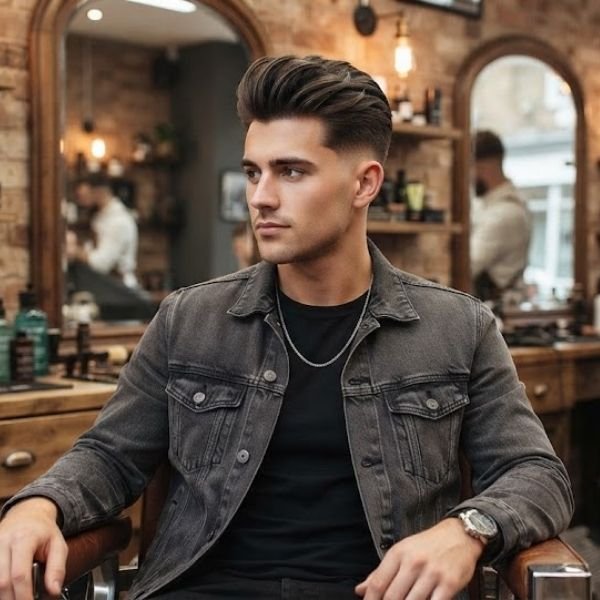
Sitting between the short and long versions, the medium quiff offers enough length on top to create noticeable height and movement without requiring daily blow drying sessions. It’s arguably the most balanced length for everyday wear.
This length gives you flexibility too. You can slick it back for a formal look one day and leave it textured and loose the next, all from the same haircut.
Quiff with Beard
Pairing a quiff with a full or well groomed beard adds structure to the lower half of the face, balancing out the height and volume on top. This combination has become a go to look for men who want a rugged yet polished appearance.
The key is keeping both elements proportional. A heavier beard often pairs better with a slightly shorter quiff, so neither feature overwhelms the other.
Short Quiff with Low Taper Fade
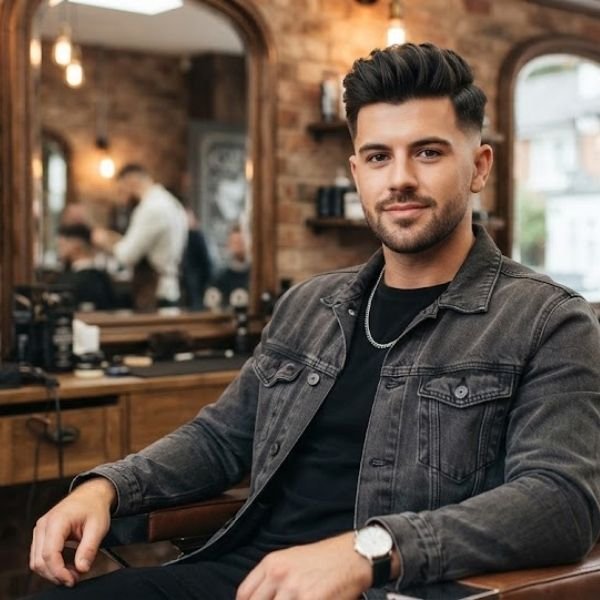
This variation keeps everything close and clean. The short quiff on top transitions into a low taper fade that starts just above the ears, creating a subtle gradient rather than a sharp contrast.
It’s an excellent option for workplaces with conservative grooming expectations, since it still looks tidy and professional while giving you a bit of texture and lift up front.
Tousled Textured Quiff with Low Fade
This style leans into a rougher, hand styled finish on top while keeping a soft, low fade on the sides. The tousled texture makes the cut look effortless, almost like you just ran your fingers through it, even though it’s carefully shaped.
A sea salt spray or matte cream works best here, since both add grip without weighing the hair down or making it look greasy.
Wavy Quiff
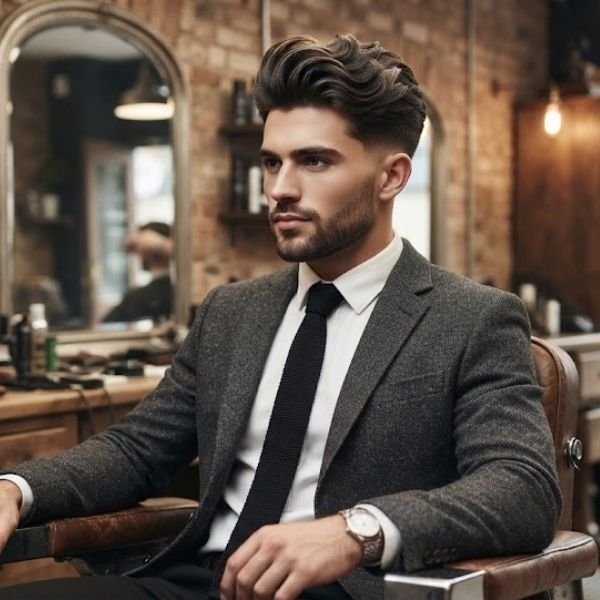
If you have natural waves, this variation works with your texture instead of against it. The wave pattern is left visible on top, giving the quiff a softer, more organic shape than a sharply combed version.
Use a lightweight curl cream to define the waves, then lift the front section slightly with your fingers as it dries. Avoid heavy pomades, which can flatten natural wave patterns.
Short Textured Quiff with Mid Fade
This combination pairs shorter length on top with choppy texture and a mid fade that starts around the temple area. The mid fade offers more contrast than a low fade without being as dramatic as a high fade, making it a popular middle ground.
It suits most face shapes and hair types, which is part of why it shows up so often in barbershop reference photos.
Messy Quiff with Taper Fade
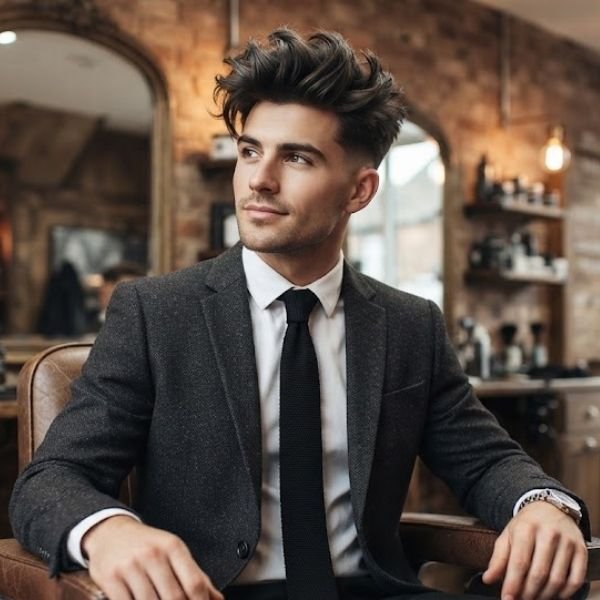
Combining a deliberately undone top with a gradually blended taper fade, this style balances a relaxed finish with sharp, groomed sides. It’s one of the most requested combinations for men who want a casual look that still feels put together.
Barbers typically recommend scissor work on top paired with clippers on the sides for the cleanest possible blend between the two textures.
Long Quiff
The long quiff grows the top section out significantly, often past three or four inches, giving you more length to work with for height, sweep, or a side swept finish. It requires more daily styling time but delivers a dramatic, statement making silhouette.
Thinner hair types may need a volumizing mousse at the roots before blow drying to prevent the extra length from falling flat.
Thick Quiff Fade
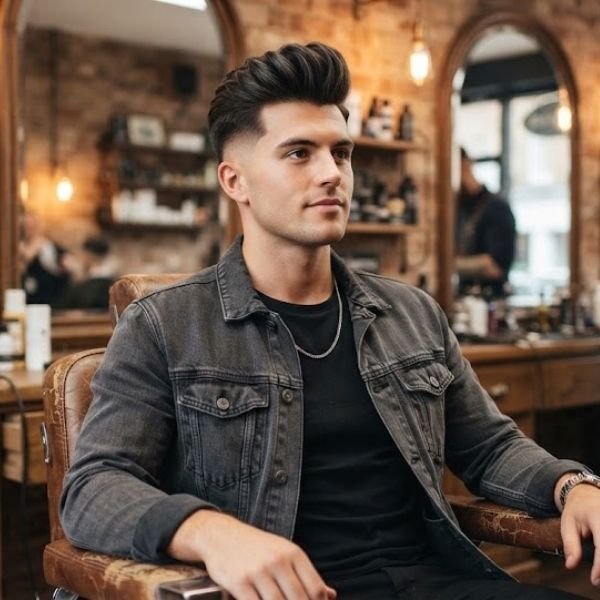
Designed specifically for men with naturally thick, dense hair, this variation uses the hair’s own volume to create height without much product. A fade on the sides removes bulk and keeps the overall shape from looking too heavy.
Layering on top is especially important here, since removing weight helps thick hair sit upward instead of pushing outward.
Full Textured Quiff with Low Skin Fade
This is one of the boldest options on the list, combining maximum volume and texture on top with a skin fade that tapers down to bare skin near the hairline. The contrast between the dense, textured top and the ultra clean sides makes this style stand out.
It works best on men with thick or coarse hair, since finer hair types may struggle to hold the same level of fullness.
Tousled Short Quiff with Low Fade
A shorter take on the tousled quiff, this style keeps the top length manageable while still allowing for a hand styled, textured finish. The low fade underneath keeps the overall look tidy and low maintenance.
It’s a great everyday option for men who want texture without committing to a longer top section.
Messy Wavy Quiff with Low Taper
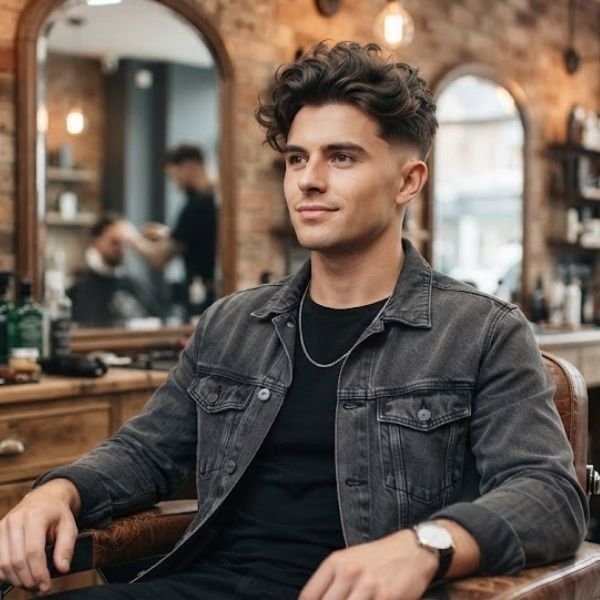
This variation combines natural wave texture with a deliberately messy finish, all sitting above a soft low taper fade. It reads casual and beach worn rather than structured, which makes it a favorite for warmer climates and laid back lifestyles.
A texturizing sea salt spray applied to damp hair helps enhance the waves before you scrunch and lift the front section.
Natural Quiff with High Fade
Here, the top is left closer to its natural fall and texture, styled upward with minimal product, while the sides are cut with a high fade for maximum contrast. The high fade draws attention upward, emphasizing the height of the quiff even when the top isn’t heavily styled.
This is a lower effort option for men who like the visual impact of a fade but don’t want a fussy top section.
Undercut Quiff
The undercut quiff pairs an aggressive undercut, where the sides and back are cut very short or shaved, with a longer, more dramatic quiff on top. The stark contrast between the two lengths is the defining feature of this style.
It suits men who want a bold, editorial look and are comfortable with a more attention grabbing hairstyle.
Youthful Short Quiff with Drop Fade and Beard
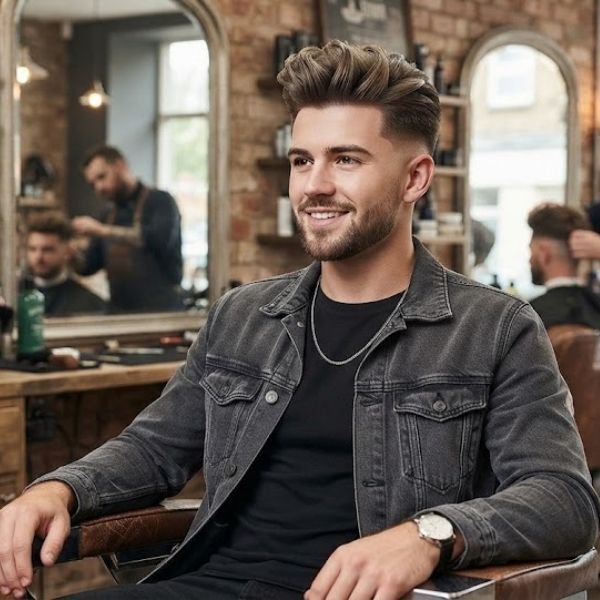
This combination uses a drop fade, where the fade line curves downward behind the ear, paired with a short quiff on top and a neatly shaped beard. The curved fade line adds a modern, sporty edge that’s popular among younger men.
It’s a strong choice if you want your haircut and beard to feel like one cohesive, styled look rather than two separate elements.
Textured Quiff with Sharp Fade
This variation emphasizes precision. The top is textured and layered for movement, but the fade underneath is cut with crisp, defined lines rather than a soft blend. The result is a style that feels both casual and sharply groomed at once.
Regular touch ups every two to three weeks are recommended to keep the fade line looking fresh.
Edgy Blonde Quiff
Color adds another dimension to the quiff. A full or partial blonde dye job, whether on darker roots or as an all over shade, makes the height and texture on top pop even more. This is a bolder, more fashion forward take on the traditional cut.
Bleaching can dry out hair, so a moisturizing styling cream is often a better choice here than a heavier, drying pomade.
Long Quiff Fade
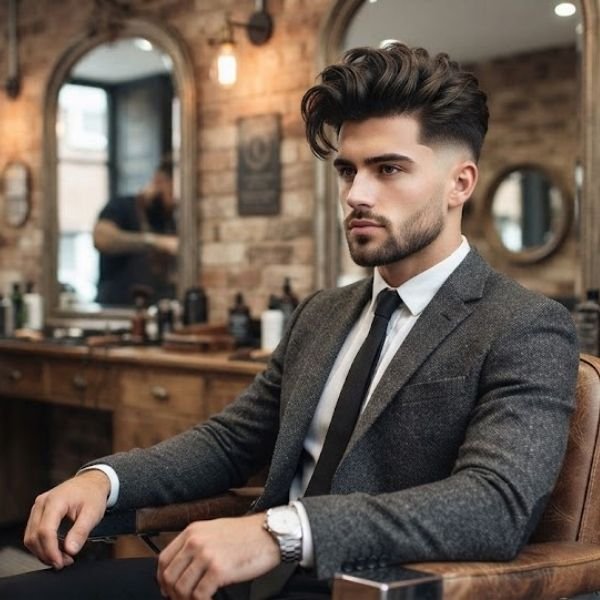
Combining the extra length of a long quiff with the contrast of a fade, this style delivers both dramatic height and a clean, tapered side profile. It takes more daily maintenance than shorter versions but offers a lot of styling versatility, from slicked back to loosely swept.
Straight Smooth Quiff with Mid Skin Fade
For men with naturally straight hair, this variation keeps the top smooth and sleek rather than textured, styled upward and back with a glossy or matte finish depending on preference. The mid skin fade underneath adds contrast without overwhelming the smooth top.
A fine tooth comb and a light hold pomade help achieve the polished, streamlined look this style is known for.
Curly Quiff
The curly quiff embraces natural curl pattern instead of trying to straighten it out. Curls are lifted and shaped at the crown, creating volume and height that’s unique to curly hair types.
A curl defining cream applied to damp hair, followed by air drying or diffusing, helps maintain curl definition while still achieving the upward, swept back shape.
Pompadour Quiff
This hybrid style borrows the height and slicked back finish of a pompadour while keeping the softer, more forward leaning shape of a quiff. It’s a good middle ground for men who like the drama of a pompadour but want something slightly less formal.
A strong hold pomade with some shine is typically used to achieve the smooth, lifted finish this style calls for.
Textured Fringe Quiff
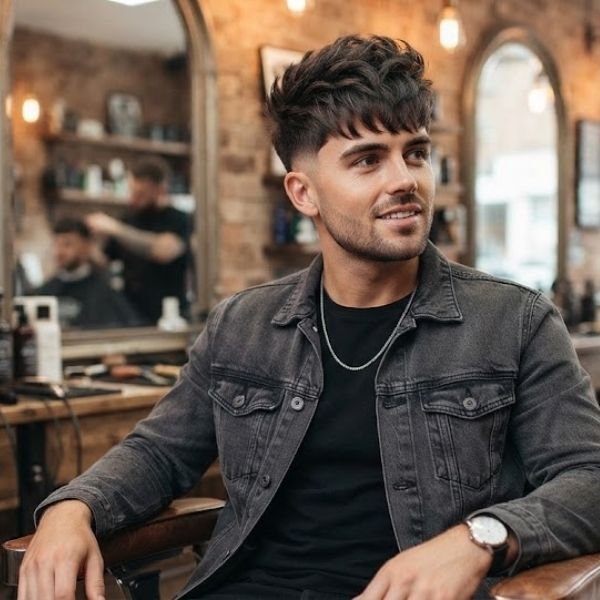
Here, a section of hair is left to fall forward over the forehead as a textured fringe, while the rest of the top is styled upward in classic quiff fashion. This creates an interesting contrast between forward and backward movement within the same haircut.
It’s a versatile option that can be styled several different ways depending on your mood, from a full quiff to a fringe forward look.
Disconnected Quiff
The disconnected quiff creates a hard visual break between the length on top and the much shorter sides, often using an undercut or heavy clipper guard rather than a gradual fade. This abrupt transition gives the style a bold, structured, almost architectural look.
It’s a striking choice for men who want their haircut to feel intentional and graphic rather than blended and soft.
What Is A Quiff Haircut?
A quiff haircut is a men’s hairstyle where the hair on top is grown out and styled upward and slightly back, creating volume and height at the front of the head, while the sides and back are kept noticeably shorter. It’s often described as a mix between a pompadour and a flat top, though it’s generally less structured and more wearable day to day than either.
The style traces back to the early 20th century and became especially popular in the 1950s among rockabilly icons and later punk subcultures. Public figures like James Dean and Elvis Presley helped cement the quiff’s image as bold and rebellious, while more recent celebrities like David Beckham brought a cleaner, more polished version into mainstream fashion.
What sets a quiff apart from similar cuts is the direction of the hair. Rather than lying flat or falling forward like a fringe, the front section is deliberately lifted and pushed backward, which is why volume and some length on top are non negotiable if you want the style to work. It suits straight, wavy, and curly hair alike, and it pairs well with tapers, fades, undercuts, or simply longer sides for a softer transition.
Final Thought
With 28 variations to choose from, the quiff proves it’s far more than a single, fixed hairstyle. It’s a flexible framework that adapts to your hair texture, your face shape, and how much time you’re willing to spend styling it each morning. Whether you want something sharp and faded for the office or loose and textured for the weekend, there’s a version of this cut built for you.
The best way to find your version is to bring a couple of these reference photos to your barber and talk through your hair type and daily routine together. A good barber will adjust length, fade height, and texture to make sure the cut actually works with your natural hair rather than fighting it.
FAQs About Quiff Hairstyle Men
What do I tell my barber for a quiff?
Ask for short sides with a fade or taper of your choice, and enough length left on top (at least two to three inches) to comb upward and back into a quiff shape.
What is the difference between fringe and quiff?
A fringe falls forward over the forehead, while a quiff is styled upward and backward, lifting the hair away from the face instead of covering it.
What face shape is a quiff for?
Round faces benefit most from the added height, though the quiff can be adjusted with softer or sharper lines to flatter oval, square, and heart shaped faces too.
Is quiff attractive?
Yes, the quiff is widely considered one of the most flattering and versatile men’s hairstyles, since it adds height, frames the face, and works with nearly every hair type.
What is a modern quiff haircut?
A modern quiff pairs the classic swept back top with cleaner lines, often a fade or undercut on the sides, giving the traditional style a sharper, more contemporary finish.

Elena Hartwell is a hair and beauty writer passionate about hairstyles, hair care, and the latest beauty trends. She shares practical tips, styling inspiration, and easy ideas to help readers feel confident and look their best.