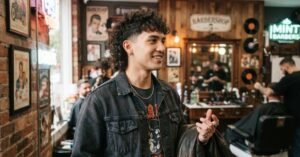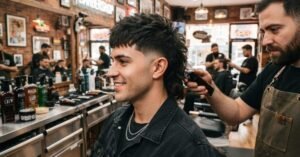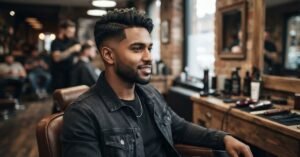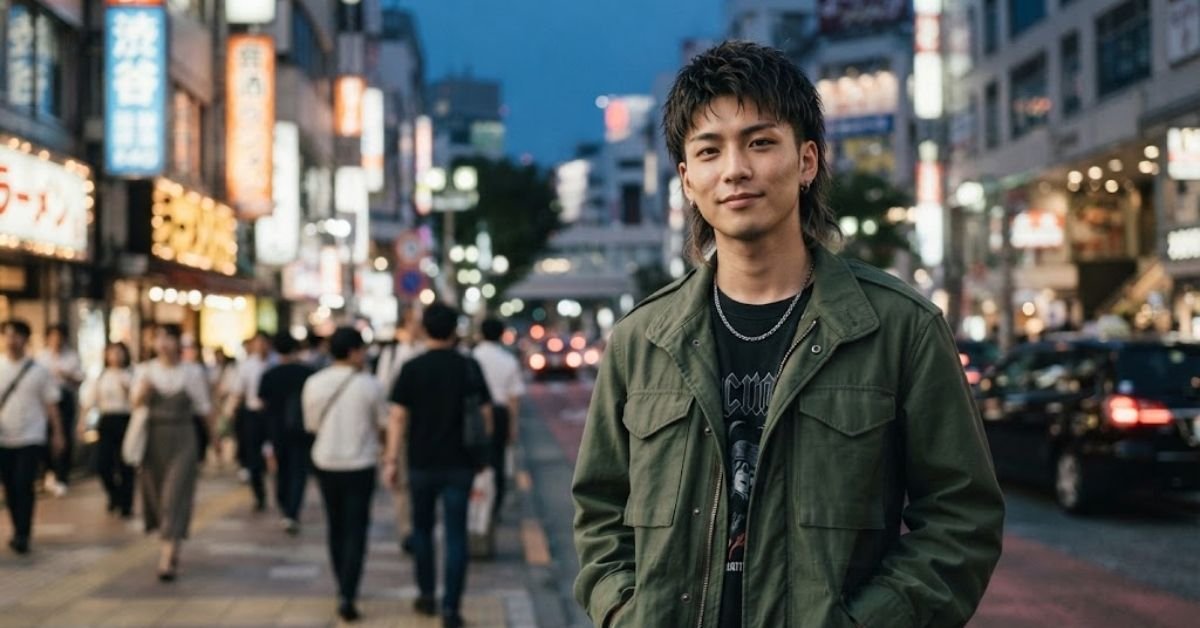
Thinking about a haircut that’s part rebel, part polished, and fully yours? The Asian mullet hairstyle might be exactly what you’re after. It’s short up front, longer at the back, and it works on almost every face shape and hair type. This guide breaks down the best versions of this cut, how to style them, and how to keep them looking sharp without spending your whole morning on it.
Asian Mullet Hairstyle – Complete Guide to Modern Styles & Care
Short answer: the modern Asian mullet is nothing like the old-school 80s version. It’s softer, shaped around your face, and built for real life, not a photoshoot.
This cut has taken over Seoul streets, Tokyo salons, and your Instagram explore page for good reason. It blends face-framing layers with a bold longer back, giving you volume up top and edge in the back. Barbers use tapered sides and feathered ends to soften the whole look so it doesn’t scream “throwback.”
What makes it stick around isn’t just looks. It’s practical. Most versions need a low-maintenance haircut routine, meaning less time with a blow dryer and more time actually living your life. You trim it every six to eight weeks, use a bit of hair wax or texture spray, and you’re done.
Top 10 Asian Mullet Hairstyle
Here’s the lineup you came for. Each version below pulls from a different corner of Asian hair culture, from K-pop stages to Tokyo barbershops, and each one solves a different problem, whether that’s thin hair, a round face, or just wanting something low-key.
Quick preview before we dive deep:
- Korean Asian Mullet – soft, rounded, idol-inspired
- Japanese Soft Mullet – gentle waves, minimal effort
- Asian Layered Mullet – built for movement and shape
- Asian Middle-Part Mullet – frames the face like a curtain
- Asian Fluffy Mullet – all about volume and lift
- Asian Straight Mullet – sleek, sharp, no fuss
- Asian Wolf Mullet – shaggy, edgy, high-texture
- Asian Taper Mullet – clean sides, wild back
- Asian Fringe Mullet – bangs meet business-in-back energy
- Asian Shag Mullet – choppy, textured, retro-cool
Each one keeps the mullet’s signature shape but adjusts the details to match your hair texture, your face, and honestly, your personality.
Korean Asian Mullet
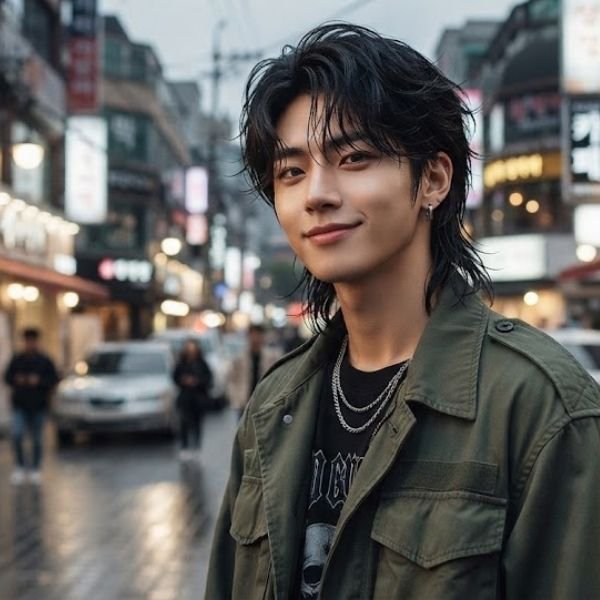
The Korean mullet haircut is soft around the edges. Think rounded layers, gentle curtain bangs, and a back section that flows rather than shocks. It’s the cut you’ll spot on half the cast of your favorite K-drama.
What sets it apart is the balance. Barbers keep the crown fluffy using root lift, then let the back fall naturally without heavy layering. There’s no harsh line between the short and long parts, just a smooth transition that reads as effortless.
It suits oval face and round face shapes especially well, since the soft face-framing layers add gentle structure without sharpening things too much. If you want a mullet that doesn’t look like you’re trying too hard, this is your starting point.
Japanese Soft Mullet
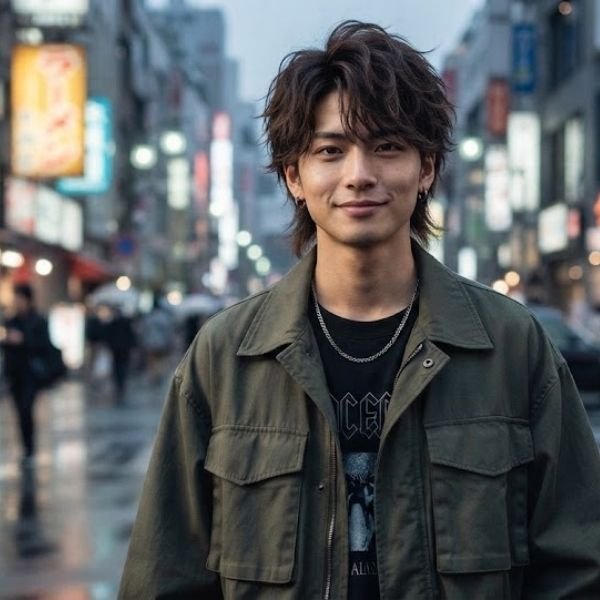
The Japanese mullet haircut takes a quieter approach. It’s built around soft texture and natural movement, using minimal layering so the hair falls in a relaxed, almost undone way.
This version leans on wispy layers instead of choppy ones. The result feels understated, more “I woke up like this” than “I spent an hour on this.” A little hair cream worked through damp hair is usually all it takes to get the finish right.
If you’ve got fine hair or medium hair, this style won’t overwhelm your strands. It’s one of the most low maintenance mullet options on this list, and it plays especially well with a heart-shaped face, since the softness balances a narrower chin.
Asian Layered Mullet
Want serious hair volume without going overboard? The Asian layered mullet stacks defined layers throughout, creating a shape that catches light and moves with you.
Layering does two jobs here. It removes bulk from thick hair, so the cut doesn’t sit heavy, and it adds shape to hair that’s naturally flat. Barbers usually build the layered crown first, then work the layers down toward the nape length at the back.
This one’s a favorite for anyone chasing a genuinely modern haircut feel. It photographs well, styles fast, and grows out gracefully, meaning fewer emergency salon visits between trims.
Asian Middle-Part Mullet
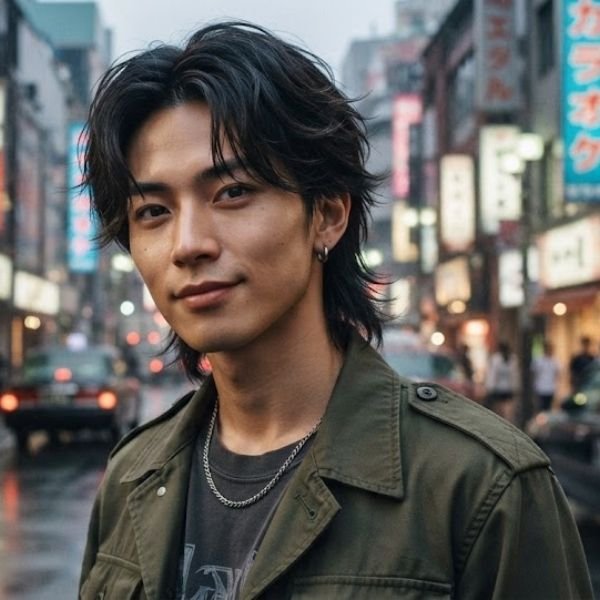
Picture curtain bangs meeting mullet energy in the back. That’s the Asian middle-part mullet in one sentence. The middle-part hairstyle splits the fringe evenly, framing both sides of your face like a set of natural curtains.
This split does more than look nice. It creates a slim face effect, which is why it’s such a popular pick for round face and angular face shapes. The eye gets pulled inward and down, softening wider areas naturally.
Styling stays simple too. A quick pass with a round brush while blow-drying, a touch of hair mousse at the roots, and you’ve got a style that reads as put-together without a full routine.
Asian Fluffy Mullet
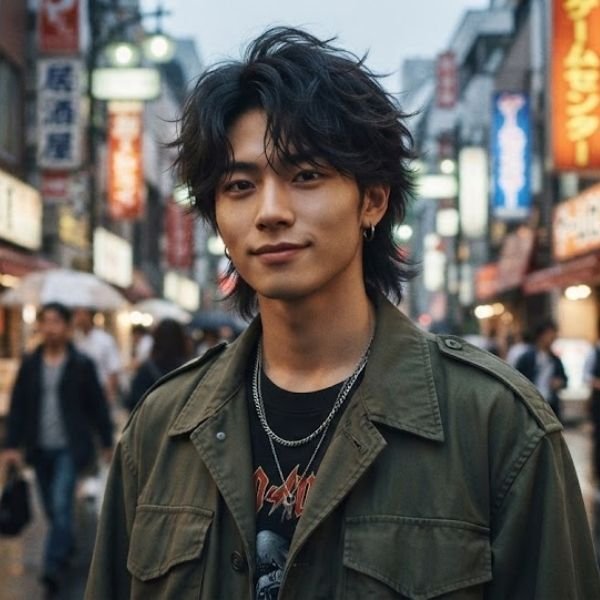
If flat hair frustrates you, the Asian fluffy mullet fixes that fast. This version is all about crown volume and lift, using finger styling and a light texture spray to puff sections up rather than smooth them down.
Fluffiness comes from cutting technique as much as product. Barbers often point-cut the ends to remove weight, letting hair spring up naturally instead of hanging flat. Add a diffuser while blow-drying and you’ll get even more lift without heat damage.
This cut suits wavy hair and curly hair beautifully, since natural texture does half the work already. It’s also a solid pick if you’re bored of sleek, flat styles and want something with a bit more personality.
Asian Straight Mullet
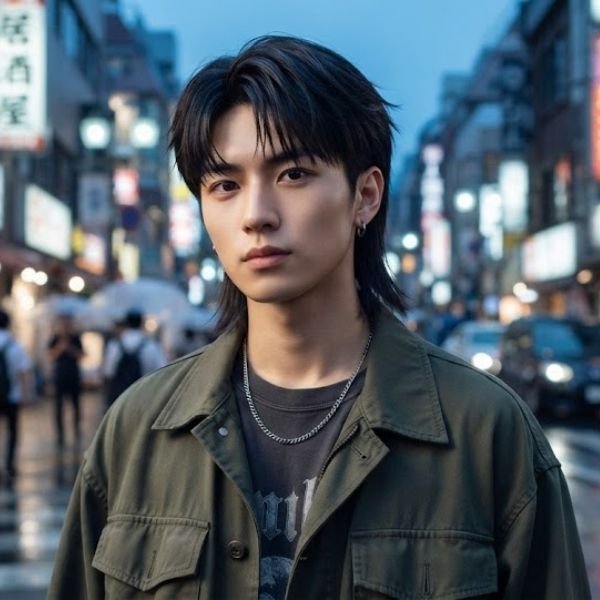
Sometimes you just want clean and simple. The Asian straight mullet skips heavy texturizing and keeps things sleek, with straight sections up front and a longer, straight back.
This style relies on precision cutting rather than product tricks. A good straightener pass smooths any flyaways, and the sharp clean lines give it a polished, almost editorial edge. It’s less “rockstar” and more “runway.”
Straight hair naturally suits this cut best, though a light flat-iron pass can make wavy hair cooperate too. If your daily routine leans toward the professional hairstyle side of things, this version blends office-appropriate with just enough edge to keep it interesting.
Asian Wolf Mullet
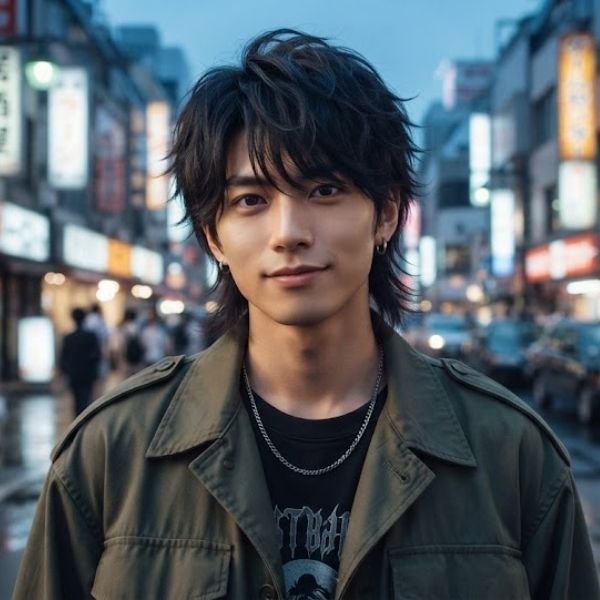
The Asian wolf cut and mullet are close cousins, and this hybrid takes the best of both. Expect heavy choppy layers, a shaggy silhouette, and way more texture than a standard mullet.
Where a regular mullet keeps some order, the wolf mullet embraces chaos, in a good way. Feathered ends and airy layers create movement from root to tip, and the whole thing looks intentionally undone rather than sloppy.
This is the boldest option on the list, best suited for anyone chasing an edgy hairstyle with real attitude. It works great with thick hair, since the layering keeps things from feeling too heavy, and it pairs naturally with rock style or festival-ready looks.
Asian Taper Mullet
Clean sides, wild back. That’s the whole pitch for the Asian taper mullet. A low taper or mid taper on the sides contrasts sharply with a longer, textured back section, giving you a cut that reads as both sharp and rebellious.
Barbers usually use clippers for the tapered sides, then switch to scissors for the back to build in movement and layering. This contrast is what makes the style pop, the short sides make the long back look even more dramatic.
If you’re after a barbershop style cut that still turns heads, this is a strong contender. It suits most face shape types and works whether your hair is straight, wavy, or somewhere in between.
Asian Fringe Mullet
Bangs in front, business energy in the back. The Asian fringe mullet brings wispy bangs or choppy bangs into the mix, adding a soft frame around your forehead and eyes.
The fringe does a lot of visual work here. It shortens a long forehead, softens an angular face, and gives the whole cut a youthful, approachable vibe. Combined with the mullet’s longer back, you get contrast between a soft front and a bold rear.
Keep the fringe fresh with trims every few weeks, since bangs grow out noticeably faster than the rest of the cut. A bit of heat protectant spray before blow-drying keeps them from frizzing out by midday.
Asian Shag Mullet
Retro but not dated, that’s the Asian shag mullet in a nutshell. This version borrows from the classic shag haircut, stacking textured layers throughout for a look that feels lived-in and cool.
Choppiness is the whole point here. Ends are cut unevenly on purpose, creating a structured haircut that still looks relaxed. It pairs naturally with a retro style wardrobe, but honestly, it holds its own with anything.
This is one of the more expressive hairstyle picks on the list. If your personality leans a bit rock-and-roll, or you just want hair with more character than a standard trim, the shag mullet delivers.
Asian Mullet Styling
Getting the cut is step one. Styling it right is what makes it actually look good day to day, and it’s easier than most people expect.
Start damp, not soaking wet. Apply a small amount of hair mousse or hair cream through the lengths, focusing more product at the roots for lift. Then blow-dry using a round brush, lifting sections at the crown for volume and letting the back fall more naturally.
For texture-heavy versions like the wolf or shag mullet, finish with a texture spray and some finger styling to break up the layers. A dab of hair wax on the ends adds definition without weighing things down. The whole routine takes ten minutes, tops, once you get the hang of it.
Soft Texture Asian Mullet
Not every mullet needs to be bold and choppy. The soft mullet approach keeps everything gentle, from the layering technique to the finished look, prioritizing natural texture over dramatic shape.
This version relies on subtle layering rather than heavy texturizing. The goal is a matte texture finish that looks soft to the touch, not stiff or crunchy from product. Less is genuinely more here.
It’s a great entry point if you’re new to mullets and worried about going too extreme. You get the shape and the statement without the commitment to a full-on edgy hairstyle. Perfect for workplace hairstyle situations where you want personality but still need to look put-together.
Easy Asian Mullet Care
A great cut falls apart fast without basic upkeep, so let’s talk maintenance. The good news? This is genuinely a low maintenance haircut once you know the basics.
Wash two to three times a week using a gentle shampoo and conditioner suited to your hair type. Over-washing strips natural oils, which can leave layered cuts looking flat and lifeless. Always use heat protection before reaching for a blow dryer or straightener, since heat damage shows up fast on layered, textured styles.
Trim every six to eight weeks to keep the shape sharp, especially around the tapered sides and fringe if you’ve got one. Between trims, run a wide-tooth comb through damp hair to avoid unnecessary breakage, and switch up your styling products occasionally so buildup doesn’t dull your natural shine.
Choosing the Right Mullet for Your Face Shape
Nobody talks about this enough, but face shape genuinely changes which mullet variation will suit you best.
Got a round face? Go for versions with height at the crown and minimal width, like the taper or layered mullet. An oval face can pull off nearly anything on this list, lucky you. If you’re working with a heart-shaped face, softer, fuller styles like the Japanese soft mullet balance a narrower jawline nicely. And for an angular face, fringe-heavy options soften sharp lines beautifully.
Bring a couple of these options to your barber and ask which shape they’d recommend based on your bone structure. A good barber will steer you honestly rather than just cutting whatever’s trending that week.
Mullet Trends Shaping 2029
Hair trends move fast, and by 2029, expect the Asian mullet to keep blending with other popular cuts rather than staying static. The line between mullet and wolf cut is already blurry, and that crossover looks set to grow.
Social media trends continue pushing hairstyles that photograph well but still work in real life, which explains why softer, more wearable mullet versions keep gaining ground over the exaggerated 80s throwback look. Expect more K-pop and J-pop influence too, since idol culture has real pull over what’s considered a trendy hairstyle worldwide right now.
If you’re getting this cut for the long haul, lean toward versions with softer layering. They age better, grow out more gracefully, and won’t feel dated the moment a new trend takes over.
FAQs
Does the Asian mullet work for both men and women?
Yes. Asian men’s hairstyles and Asian women’s hairstyles both use mullet variations successfully. The core shape stays the same; styling and length just get adjusted to preference.
How often should I get a trim?
Every six to eight weeks keeps the shape intact, especially for versions with a fringe or tapered sides that grow out faster.
Will a mullet suit thin or fine hair?
Yes, actually. Lighter layering and soft texture options like the Japanese soft mullet work great with fine hair, since heavy layering can make thin hair look sparse.
Is this a professional-friendly haircut?
Softer versions, like the straight mullet or soft texture mullet, read as polished enough for most workplaces. Save the wolf or shag mullet for weekends if your office leans conservative.
What products do I actually need?
A basic kit covers you: hair mousse or hair cream for styling, a heat protectant spray, and either hair wax or texture spray for finishing touches. You don’t need a drawer full of products for this cut to look good.
Can I switch between styling looks with the same haircut?
Definitely. One of the best things about the mullet is versatility. Blow-dry it fluffy one day, straighten it sleek the next. Same cut, completely different vibe.

Elena Hartwell is a hair and beauty writer passionate about hairstyles, hair care, and the latest beauty trends. She shares practical tips, styling inspiration, and easy ideas to help readers feel confident and look their best.