Strong Is the New Silhouette: How Lifting Weights Changed Fashion
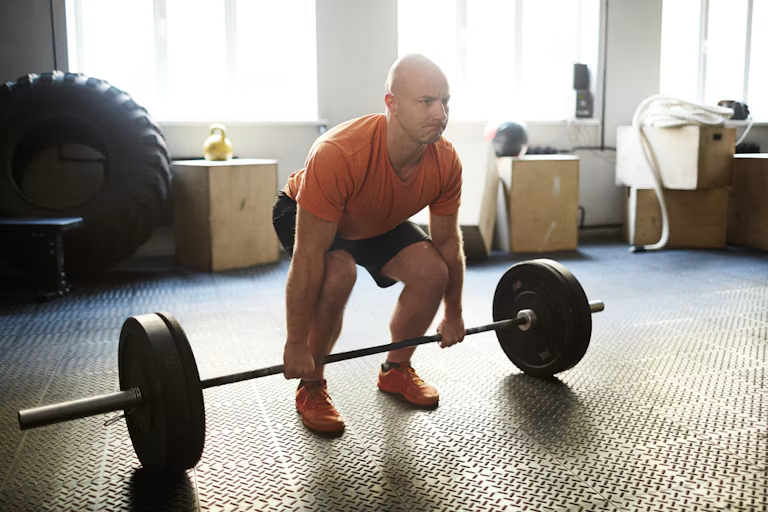
Walk into almost any gym on a weekday evening and look at the free-weights area. Ten years ago it was mostly men in faded T-shirts, grunting at the mirror. Now it is a far more mixed crowd: women in matching sets deadlifting with careful form, retirees working through a programme written by a physiotherapist, students filming their squats for a group chat. Strength training has gone mainstream, and the change has rippled out of the gym and into the way people dress, shop and think about their bodies.
This is not just a fitness story. It is a fashion story, because the body that clothes are designed around is changing. Broader shoulders, stronger thighs and a more muscular back do not fit neatly into patterns cut for a slighter frame, and a generation of shoppers is starting to say so.
As with any wellness trend, the online conversation around lifting has its fringes. Alongside training plans and meal-prep videos, research peptides now pop up in gym forums and comment sections, often discussed with more enthusiasm than accuracy. Suppliers in that space, Bluum Peptides among them, state plainly that their products are for laboratory research only and not for human consumption. That line deserves more attention than it gets, because it marks the boundary between a laboratory catalogue and anything that belongs in a training routine.
Lab terminology travels in those forums, too. A phrase such as hospira bacteriostatic water refers to a branded vial of preserved sterile water made by a pharmaceutical manufacturer; it is a laboratory and clinical supply, not a supplement, a sports drink or a beauty step. Seeing words like that next to workout tips is a reminder of how easily professional vocabulary slips into casual spaces, and why readers do well to keep the two apart.
The real story of strength training is far less exotic, and far more interesting for anyone who cares about style. It is about muscle, posture and confidence, and about clothes finally catching up.
From Thin to Strong
A Shift in the Ideal
For much of the late twentieth century, the dominant fashion ideal for women was slender above all else. Muscles were something to be avoided, and women were warned (often by magazines) not to lift anything heavier than a small dumbbell in case they became “bulky”. That advice now looks dated. The phrase “strong is the new skinny” circulated widely on social media in the 2010s, and while it had its own problems, it signalled a real change in what many women wanted from exercise.
Today, the ambition for a lot of gym-goers is capability: being able to carry the shopping up three flights of stairs, pick up a child without wincing, or simply feel solid. Muscle is part of that picture, not a side effect to be feared.
The Health Case, Briefly
Public health guidance in the UK has long recommended muscle-strengthening activity on at least two days a week for adults, alongside aerobic exercise. That recommendation was always there, but for years it was overshadowed by the focus on cardio and calorie counting. As awareness has grown, particularly around maintaining strength as we age, more people have started treating the weights room as a place for everyone rather than a specialist corner.
What Strength Training Did to Clothes
Activewear Grew Up
The most obvious change is in activewear. Leggings and sports bras became everyday clothing some time ago, but lifting has pushed the category in a particular direction. Squat-proof fabrics (opaque enough that nothing shows through at the bottom of a lift) are now a standard selling point. Higher waistbands stay put under a lifting belt. Shorts have grown longer and roomier for movement. Flat-soled trainers, once the preserve of serious lifters, have become a style choice in their own right.
The Rise of the Matching Set
The coordinated gym set, a top and bottom in the same colour and fabric, owes a lot to the social side of lifting. People film their sessions, and a matching set looks considered on camera. It also slides easily into the rest of the day: add an oversized shirt or a long coat and the outfit goes from gym to coffee to errands without a costume change.
Tailoring for a Stronger Frame
Here is where the trend gets interesting for mainstream fashion. Many shoppers who lift find that standard high-street cuts no longer fit. Jeans that fit the waist pinch at the thigh; shirts that fit the shoulders gape at the stomach; blazer sleeves strain over the upper arm. Some brands have responded with “athletic fit” ranges, offering more room in the seat and thigh with a tapered leg, or extra shoulder width in a jacket. Others have not, and their customers have noticed.
Tailoring offers a practical fix. Taking in a waist is usually straightforward, while letting out a sleeve depends on how much seam allowance the garment has. For anyone whose shape has changed noticeably through training, buying to fit the largest measurement and having the rest adjusted is often the most reliable approach.
Dressing a Lifting Body
Shoulders and Back
A stronger upper body changes how tops and jackets hang. Raglan sleeves, dropped shoulders and knitwear with some stretch tend to sit more comfortably than rigid set-in sleeves. Wrap tops and V-necks draw the eye vertically and balance broader shoulders, if that is the effect you want. Equally, some people who have worked hard for their shoulders like to show them off: a sleeveless top or a well-cut vest says as much.
Legs and Glutes
Stronger legs often need trousers with a higher rise and more room through the seat and thigh. Wide-leg and straight-leg cuts have helped enormously here, since they skim rather than cling. Skirts with some swing, or a midi length that falls from the widest point of the hip, also work well. Stretch denim has improved too, with blends that recover their shape rather than bagging out by lunchtime.
Shoes, Bags and the Details
Lifting has quietly changed accessories as well. Flat, firm-soled trainers in canvas or leather, the kind once worn mainly for squats and deadlifts, now turn up with tailored trousers and slip dresses. Chunky running shoes have given way, for many people, to something lower and more grounded, which suits the cleaner, straighter trouser shapes now in fashion.
Bags have followed the commute. A gym session squeezed in before work means carrying kit, shoes and a change of clothes, so structured holdalls and roomy totes in leather or heavy canvas have become everyday pieces rather than sports equipment. Brands that once made only luxury handbags now sell weekend bags designed with a separate shoe compartment, which tells you something about where their customers spend their mornings.
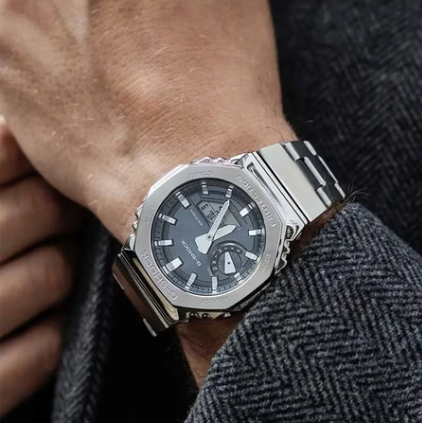
Jewellery tends to be simpler for the same reason. Hoops, chains and rings come off for training, so many lifters favour pieces that are easy to remove and put back on: a single chain, small studs, a watch with a sport strap that can be swapped for leather later in the day. The overall effect is a pared-back, practical look that happens to be very wearable, gym or no gym.
Proportion Over Rules
The old style rules, which told women with “athletic builds” to hide their shoulders or men with big legs to avoid slim trousers, are worth ignoring. Proportion still matters, but the aim is balance as you define it, not concealment. A muscular arm in a sleeveless dress can look striking. A strong leg in a tailored short can look sharp. Fashion is catching up with that idea, slowly.
Body Image in the Weights Room
The Upside
For many people, strength training has offered a gentler relationship with their bodies. The focus moves from how a body looks to what it can do: adding a little weight to the bar, managing a full press-up, getting through a session after a hard week. Progress becomes something you can measure in kilograms lifted rather than numbers on the scales, and that shift can feel liberating.
The Downside
That is not the whole picture. Fitness culture has its own pressures, from the chase for visible abs to the comparison trap of other people’s highlight reels. Some corners of the internet promote extreme diets, punishing training schedules or shortcuts that have no place outside a laboratory or a medical setting. The same critical eye that readers bring to a beauty advert is worth bringing to a fitness influencer’s latest claim.
Signs of a Healthy Culture
A good gym, or a good online community, tends to share a few traits. It values form over ego, celebrates progress at every level and is honest about how long change takes. Coaches with recognised qualifications explain why they programme what they do. And nobody pressures you to buy anything to keep up.
Where Fashion Goes Next
Inclusive Sizing Means More Than Bigger Sizes
Size inclusivity has usually been discussed in terms of range: offering more sizes at either end. Strength training suggests a second dimension, shape inclusivity. A size 12 with strong thighs and a size 12 with slim legs need different patterns. Some brands are experimenting with multiple fits within a single size; expect more of that as shoppers become more vocal.
The Gym as Front Row
Finally, the gym itself has become a kind of runway. Brands use athletes and lifters rather than conventional models in campaigns, collaborations between sportswear labels and fashion houses keep multiplying, and trends now flow from the weights room to the high street as readily as the other way round.
The Takeaway
Strength training has changed what many people want from their bodies, and fashion is gradually adjusting to fit. The most useful steps for anyone dressing a stronger frame are practical: look for cuts with room where you need it, embrace a good tailor and ignore outdated rules about what certain bodies should wear.
As for the noisier corners of fitness culture, a simple filter helps. Training, food, sleep and patience are the foundations. Anything labelled for research use belongs in a laboratory, not a gym bag. Everything else is styling, and styling is the fun part.

Sam Kuran is a content writer at FashionGleem, covering beauty, skincare, haircare, makeup, and fashion trends. Sam focuses on creating informative, easy-to-understand articles that help readers explore beauty products, improve their personal care routines, and make confident style choices. With an emphasis on practical tips, reliable sources, and people-first content, Sam aims to make beauty and fashion information accessible, useful, and enjoyable for everyday readers.