Low Taper Fade Quiff Haircut: Top 39 Best Styles for Men in 2026
Barbershops everywhere are seeing the same request over and over this year. Guys walk in, pull up a photo, and say “give me that low taper fade with a quiff.” It is not hard to see why. The cut keeps the sides neat and grown up while the top does all the talking, adding height, texture, and a bit of attitude to any face. It sits at the sweet spot between a haircut that needs real effort each morning and one that looks like you did not try at all, which is exactly why it keeps showing up on trending lists year after year.
If you are thinking about trying it, or you already have one and want fresh ideas, this guide breaks down everything from the basics to 39 of the best variations trending right now, plus how to talk to your barber, style it at home, and keep it looking sharp between visits. We will also cover which face shapes and hair types suit this cut best, how it stacks up against similar hairstyles like the pompadour and slick back, and the small mistakes that quietly ruin an otherwise great haircut. By the end, you should have a clear picture of exactly which version to ask for at your next appointment.
What Is a Low Taper Fade Quiff Haircut?
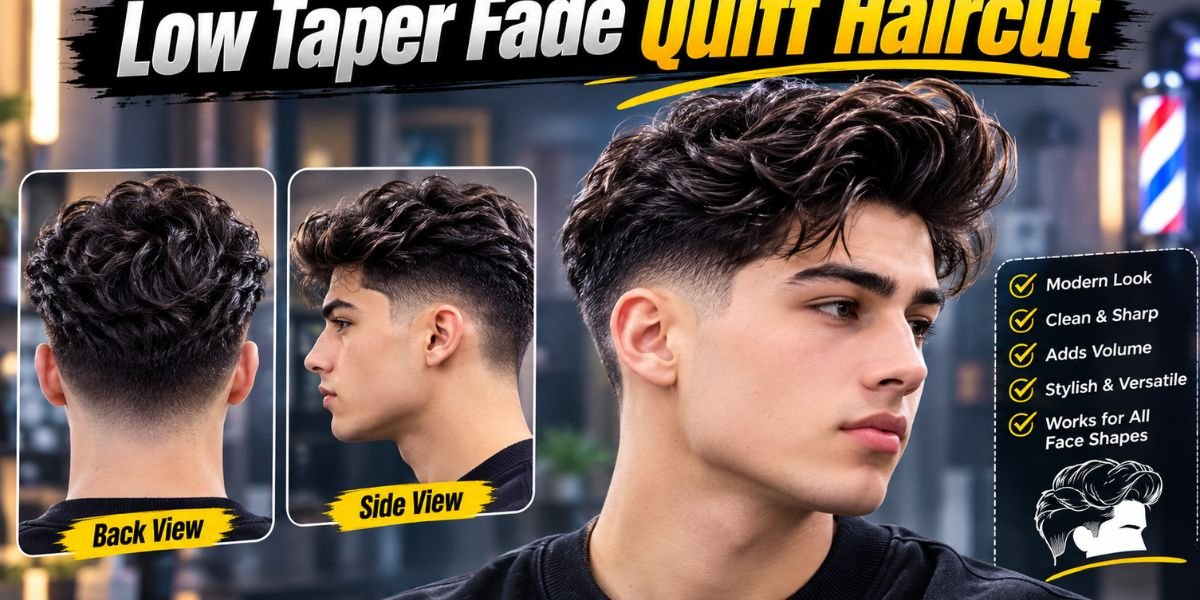
The low taper fade quiff pairs two classic barbering techniques into one modern package. The sides and back are cut with a gentle, gradual fade that starts low near the ears and neckline, while the top is left longer and styled upward and slightly back into a quiff shape. The result is a cut that feels polished without looking overdone, and it works for almost any hair type, face shape, or occasion.
What makes this pairing so effective is contrast without harshness. The sides stay tidy and out of the way, so the eye is naturally drawn to the shape and movement happening on top. Because the fade begins so low on the head, there is no obvious hard line where short hair meets long hair, which gives the whole cut a more natural, grown in appearance even on the day it was cut. This is part of why the style reads as both current and timeless at once, a combination that is genuinely hard to find in men’s haircuts.
What Is a Low Taper Fade?
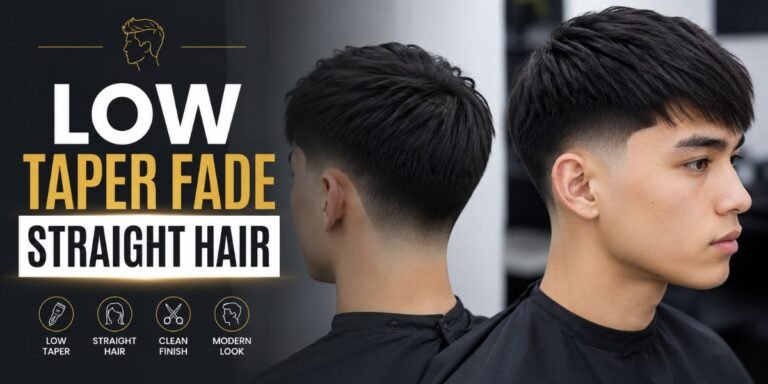
A low taper fade is a subtle blend where the hair gradually shortens from mid length down to the skin, but the fading only starts around the ear line and the nape of the neck rather than higher up the head. Because the transition begins so low, it grows out slowly and keeps a soft, natural look. It is a good option for men who want a clean finish without the sharp contrast of a high or mid fade.
Barbers often describe the low fade as the most forgiving of the fade family because there is less bare skin on show and the blend line sits closer to natural hair growth patterns. That makes it a comfortable entry point for men who are new to fades and want something understated, as well as for older clients or professionals who prefer a conservative, workplace friendly silhouette.
What Is a Quiff Haircut?
A quiff is a hairstyle where the front section of hair is brushed upward and slightly backward, creating volume and height right above the forehead. It borrows a bit from the pompadour and a bit from a flat top, but it tends to look softer and less structured. The quiff can be styled sleek and smooth or textured and messy depending on the mood you are going for.
The shape traces back to the 1950s rock and roll era, when rebellious young men wore it as an alternative to the slicked back styles their fathers favored. Modern barbers have since stripped out the heavy gloss and paired the shape with fades, tapers, and textured cutting techniques, turning a decades old silhouette into something that still feels fresh today.
Why Is the Low Taper Fade Quiff Haircut So Popular?
This haircut has become a barbershop favorite for a simple reason: it fits almost every lifestyle without asking much in return.
- It works equally well in the office, at the gym, or on a night out.
- The low fade grows out gradually, so appointments can be spaced further apart.
- It flatters a wide range of face shapes by adding height at the front.
- It adapts to straight, wavy, thick, thin, and curly hair with small tweaks.
- It photographs well, which matters to guys who care about their social presence.
- It can be dressed up with a comb and pomade or worn relaxed with texture cream.
Barbers also point out that this cut shows off real skill. A clean, well blended low fade takes technique to execute properly, and clients quickly notice the difference between an average barber and a great one. That reputation for craftsmanship has helped push the style further into mainstream barbering culture, with more shops adding it to their reference boards and more clients requesting it by name rather than pointing at a random photo.
Benefits of This Haircut
Beyond the style factor, the low taper fade quiff offers real, practical advantages that keep men coming back for it.
- Low maintenance sides that hold their shape between trims.
- Height and volume on top that draw the eye upward and balance rounder or wider faces.
- A soft, natural hairline blend that avoids a harsh, obvious cut line.
- Flexibility to switch between a clean, combed look and a relaxed, textured finish.
- Compatibility with beards, line ups, and other grooming details.
- Suitability for school, work, weddings, and casual weekends alike.
There is also a confidence factor worth mentioning. Recent grooming market research suggests that a growing share of men now pay closer attention to their daily styling routine than in past years, and a haircut that consistently looks put together plays a real role in that shift. A style that requires only a few minutes of upkeep but still looks intentional tends to build a habit of grooming that carries over into other areas of personal presentation.
Top 39 Best Low Taper Fade Quiff Haircut Styles
Every man’s hair behaves differently, so this single haircut concept branches into dozens of looks depending on texture, length, and personal taste. Below are 39 of the best low taper fade quiff variations worth showing your barber in 2026.
Classic Low Taper Fade Quiff Haircut

The original take keeps the top neatly combed with a defined peak while the fade stays subtle and close to the hairline. It suits oval and square face shapes best, and straight or slightly wavy hair holds this shape the longest. A light pomade with a comb finish is ideal for offices and formal events.
Modern Low Taper Fade Quiff Haircut

This version adds more contrast between the fade and the top plus a slightly higher lift for extra visual punch. Expect sharper lines and a bolder silhouette that leans into current trends without going overboard. It is a great middle ground for men who find the classic look too tame.
Textured Low Taper Fade Quiff Haircut

Instead of smooth and glossy, this style looks lived in with choppy, piecey layers on the crown. Barbers create the effect using point cutting or texturizing shears, giving the top real movement and depth. It works especially well for thick or coarse hair that needs a little softening.
Messy Low Taper Fade Quiff

Built for guys who want style without spending long in front of the mirror, this look uses natural texture and a light touch of product to create a relaxed, tousled top. The clean low fade keeps it from looking unkempt even when the top is deliberately undone.
Short Low Taper Fade Quiff

Keeping the top length minimal makes styling quick and easy in the morning. This version pairs a tight low fade with just enough length up top to sweep upward, making it a low effort choice that still looks intentional and sharp.
Long Low Taper Fade Quiff

For men feeling more adventurous, letting the top grow to several inches creates a bold, brushed up profile with real drama. A light texturizing pass adds movement before styling, and the low fade helps streamline the overall shape.
Low Taper Fade Quiff for Straight Hair

Straight hair holds a quiff shape cleanly and takes well to a smooth, polished finish. A strong hold pomade combined with a round brush blow dry gives straight strands the lift they need to stay upright throughout the day.
Low Taper Fade Quiff for Wavy Hair

Wavy hair adds natural texture and dimension to the quiff without much extra work. A sea salt spray or light matte cream enhances the wave pattern while the low fade keeps the sides tidy and controlled.
Low Taper Fade Quiff for Curly Hair

Curly hair brings volume and personality to this cut, and the low fade reduces bulk around the sides for a neater silhouette. A defining curl cream applied to damp hair helps shape the curls on top without weighing them down.
Thick Hair Low Taper Fade Quiff Haircut

Thick hair naturally gives the quiff extra body and lift, making the front section stand tall with minimal product. Internal layering can help remove some weight so the top does not feel heavy or hard to style.
Thin Hair Low Taper Fade Quiff

For finer hair, a lighter touch works best. Volumizing spray applied to the roots before blow drying helps create the illusion of thickness, while the low fade adds contrast that makes the top appear fuller by comparison.
Low Taper Fade Quiff Haircut Male

This general, everyday version is the go to reference most men bring into the barbershop. It balances a moderate top length with a soft, low blend on the sides, giving a clean and versatile finish suited to nearly any setting.
Low Taper Fade Quiff with Beard

Pairing this haircut with a well groomed beard doubles the frame, adding height on top and weight along the jaw. The low fade creates a clean gap between the hair and beard line for a sharp, masculine finish.
Low Taper Fade Quiff with Line Up

A crisp line up along the front hairline and temples sharpens the entire look and gives it a fresh from the barber appearance. This combination is popular among men who want extra definition without changing the fade height.
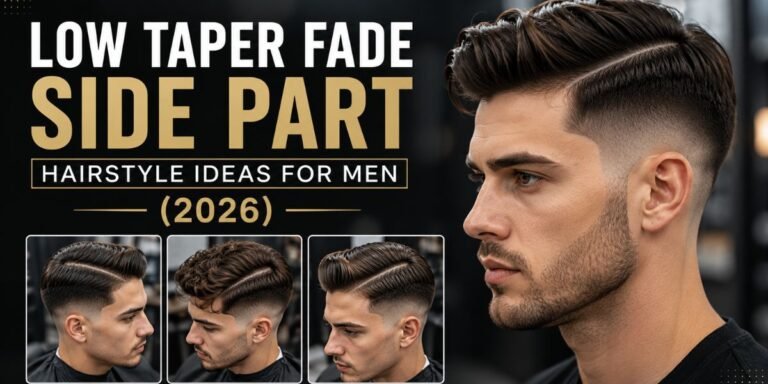
Low Taper Fade Quiff with Hard Part

Adding a hard part, a shaved line separating the top from the side, gives the quiff a graphic, editorial edge. It works especially well with a side sweep and pairs nicely with straight or wavy hair types.
Blonde Low Taper Fade Quiff Haircut

Lightened or fully blonde hair on top makes the quiff shape pop even more, especially against a darker low fade. This style suits men who want a statement look and are comfortable with regular color maintenance.
Asian Low Taper Fade Quiff Haircut

This variation is tailored to typically thicker, straighter Asian hair textures, often using layering to prevent the top from looking too dense. The low fade keeps the sides refined while the front is styled up with a matte finish product.
Layered Low Taper Fade Quiff Haircut

Layering removes bulk from thick or long tops, letting the quiff sit naturally without excess weight while still delivering noticeable height at the crown. It is a smart choice for hair that tends to look flat under its own volume.
Low Taper Fade Quiff with Volume

For men who want maximum height, this style relies on blow drying against the grain and a strong hold product to keep the front section standing tall throughout the day. It reads bold and confident from any angle.
Matte Finish Low Taper Fade Quiff Haircut

Skipping shine entirely, this look uses matte clay or paste to keep the top looking natural and modern rather than glossy. It suits everyday wear and photographs cleanly without looking overly styled.
Low Taper Fade Quiff with Textured Top

Texturizing shears create broken, piecey ends across the crown, giving the quiff a softer, more casual silhouette. This pairs especially well with a slightly messy styling approach and works across most hair types.
Professional Low Taper Fade Quiff Haircut

A neat, conservative variation designed for corporate settings, this style keeps the quiff modest in height while the fade stays clean and understated near the hairline. A medium hold pomade combed through gives a polished, office ready finish.
Low Taper Fade Quiff for Teen Boys

Younger guys often prefer a simplified version with easy, low maintenance styling. A short to medium top length paired with a soft low fade keeps things age appropriate while still looking current and sharp.
Clean Low Taper Fade Quiff

This is the freshly cut look, with crisp fade lines and a defined quiff shape that shows off the barber’s precision. A small amount of pomade highlights the sharp edges right after a trim.
Low Taper Fade Soft Quiff

Softening the front sweep with a gentler curve rather than a sharp peak creates a more relaxed, approachable version of the cut. It suits men who want structure without looking too formal.
Low Taper Fade Mid Quiff

Sitting between short and long, the mid length quiff offers moderate height that is easy to manage daily. It is a flexible option that can lean casual or dressy depending on the product used.
Low Taper Fade Drop Quiff

A drop fade curves lower behind the ear rather than staying level, adding extra volume around the back of the head. Paired with a quiff on top, it creates a rounder, fuller overall shape.
Low Taper Fade Forward Quiff

Instead of sweeping back, the front section is styled forward and down toward the brow for a softer, more youthful silhouette. This look works well with fringe heavy styling and a textured finish.
Low Taper Fade Quiff Cut

This term generally refers to the base haircut itself before styling choices are added, essentially the foundation cut that barbers use before customizing height, texture, or part placement.
Low Taper Fade Quiff Undercut

Combining an undercut with the quiff creates more contrast between the short sides and the long top, giving a sharper, more disconnected appearance that suits men who want a bolder statement.
Low Taper Fade Quiff Mid

A slight variation on the mid length theme, this style keeps enough length on top to switch between a smooth combed finish and a piecey, textured look depending on the day.
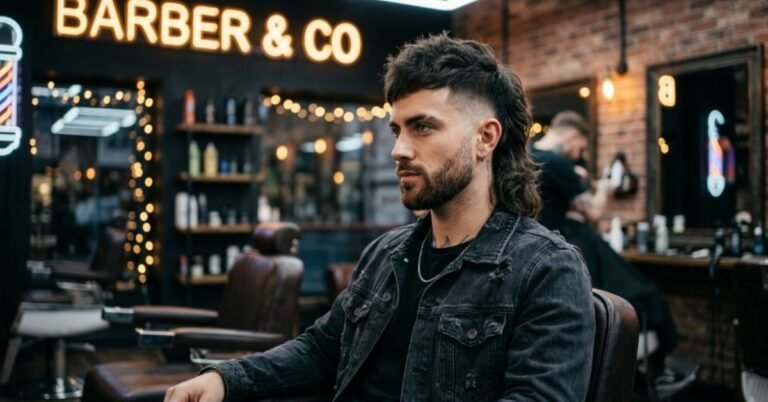
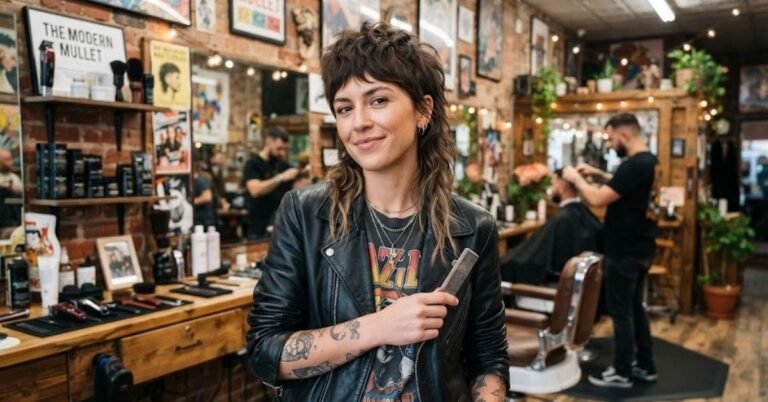
Low Taper Fade Quiff Mullet

Blending mullet influences into the quiff means keeping extra length at the back and nape while the front still lifts into a defined quiff shape. It is a trend forward choice for men chasing a retro edge.
Low Taper Fade Burst Quiff

A burst fade curves around the ear only rather than running in a straight line across the head, which pairs nicely with a rounded quiff shape and adds a distinctive, sculpted look to the overall style.
Low Taper Fade Medium Quiff

This balanced option offers enough length to style up for a meeting or push back for the weekend without needing a fresh cut in between, making it a practical choice for busy schedules.
Low Taper Fade Pompadour Quiff

Borrowing extra height and a more structured, swept back finish from the pompadour, this hybrid style delivers a bolder, more formal silhouette while keeping the fade low and understated.
Low Taper Fade Side Swept Quiff

Rather than lifting straight up, the top is directed to one side for a softer, more casual finish. This style works particularly well for men with a natural part or cowlick to work with.
Low Taper Fade Loose Quiff

A relaxed, less structured take on the classic shape, the loose quiff uses light product and minimal combing to let the hair fall naturally while still keeping some lift at the front.
High Volume Low Taper Fade Quiff

Built for maximum lift and drama, this style relies on blow drying, volumizing spray, and a strong hold pomade to create standout height that commands attention in any room.
Trending Low Taper Fade Quiff Haircut

Reflecting whatever is currently popular on social media and in barbershop culture, this evolving style typically blends a textured top, a low skin fade, and a slightly disconnected finish for a fresh, current look.
How to Ask Your Barber for a Low Taper Fade Quiff Haircut
Walking into a barbershop with the right words makes all the difference between getting exactly what you want and leaving disappointed. Barbering terminology can vary slightly from shop to shop, so being clear and specific removes any guesswork and helps the appointment move quickly.
- Mention that you want the fade to start low, near the ears and neckline, not higher up.
- Specify how much length you want left on top, usually measured in inches.
- Bring a reference photo if possible, since terms can mean slightly different things to different barbers.
- Mention your hair type so the barber can adjust the technique accordingly.
- Ask about maintenance frequency so you know when to book your next appointment.
It also helps to arrive with your hair in its natural, unstyled state so the barber can see exactly how it falls, grows, and behaves before making any cuts. Trying to explain a look while your hair is still damp from a walk in the rain, or heavily gelled from the night before, makes it harder for the barber to judge density and natural direction accurately.
What to Tell Your Barber
Being specific helps your barber deliver a cut that actually matches what you pictured.
- Your preferred fade height, in this case low, and how gradual you want the blend.
- Whether you want the top smooth and combed or textured and piecey.
- Any face shape concerns, such as wanting more height to balance a round face.
- If you want a hard part, line up, or beard fade added to the finished look.
- How much time you realistically want to spend styling it each morning.
Being upfront about your daily routine matters more than most men realize. A style that looks incredible in photos but takes twenty minutes with a blow dryer every morning is not practical for someone who is out the door in five. Telling your barber this honestly lets them adjust the top length and layering to match a routine you will actually stick to.
Barber Reference Guide
Use this quick reference table when discussing your cut with a barber. Keeping these details in mind, or even saving this table on your phone, takes the guesswork out of the conversation and helps you leave the chair with the exact haircut you pictured.
| Element | What to Say |
| Fade Height | Low, starting near the ears and neckline |
| Top Length | State inches, typically 3 to 6 inches for most quiffs |
| Texture | Smooth and combed, or textured and piecey |
| Finish | Matte, glossy, or natural |
| Extras | Line up, hard part, or beard fade if wanted |
If you are unsure about any of these details, it is completely fine to ask your barber for their professional opinion. Most barbers appreciate a client who is open to guidance rather than rigidly attached to a single reference photo that may not translate perfectly to their own hair type.
Best Face Shapes
The added height at the front of a quiff makes it especially flattering for certain face shapes.
- Round faces gain length and definition from the vertical lift on top.
- Square jawlines are softened by the height, which draws the eye upward.
- Oval faces suit nearly every version of this cut without much adjustment.
- Diamond and triangle faces benefit from a textured quiff that balances stronger features.
- Rectangular or long faces should ask for a slightly lower quiff height, since too much extra vertical volume can make the face appear even longer.
A simple way to check what works for you is to look at your face straight on in natural light and note the widest and narrowest points. If your forehead and jawline are close in width, most versions of this haircut will suit you. If your face is noticeably longer than it is wide, favor the shorter or medium quiff variations over the high volume options.
Best Hair Types
While this haircut is genuinely versatile, certain hair types make styling easier.
- Straight hair holds a smooth, polished quiff shape the longest.
- Thick hair naturally adds body and lift with minimal product.
- Wavy hair brings texture that looks great in a slightly undone style.
- Curly hair works well with a shorter top and a defining cream for shape.
- Fine or thin hair benefits from a slightly shorter top length, since long, fine hair tends to lose its shape and fall flat by midday.
Whatever your hair type, the key is working with its natural tendencies rather than fighting against them. Trying to force straight styling behavior out of naturally curly hair, or expecting fine hair to hold the same height as thick hair without extra product, usually leads to frustration. A good barber will adjust the cut itself, not just the styling advice, to account for these differences.
Pros and Cons
| Pros | Cons |
| Low maintenance fade that grows out slowly | Requires daily styling to maintain shape |
| Flatters most face shapes and hair types | May need a blow dryer for full volume |
| Works for both casual and formal settings | Thin hair may need extra volumizing product |
| Easy to personalize with texture or a hard part | Regrowth on top can flatten the shape between trims |
Weighing these pros and cons honestly before your appointment can save you from choosing a style that looks great in photos but does not fit your actual daily routine. Most men find that the benefits far outweigh the small amount of extra styling time, especially once the morning routine becomes second nature after a week or two.
How to Style a Low Taper Fade Quiff Haircut
Getting the shape right at home comes down to using the correct tools and products in the right order, then building height gradually rather than trying to force it all at once. Most styling mistakes happen because guys try to add lift after the hair has already dried, which almost never works as well as shaping it while damp and using heat to lock the direction in place.
Best Styling Products
- A matte clay or paste for a natural, non shiny hold.
- A strong hold pomade for a sleeker, more polished finish.
- A volumizing spray for thin or fine hair that needs extra lift.
- A texturizing powder to add grip and fullness to the crown.
- A sea salt spray for wavy or curly hair that wants natural texture.
Step-by-Step Styling Guide
- Start with damp, towel dried hair rather than fully wet strands.
- Apply a small amount of your chosen product evenly through the top section.
- Use a round brush and blow dryer to lift the front section upward and slightly back.
- Work in sections, focusing extra lift at the crown and front hairline.
- Finish by shaping with your fingers for a natural, non rigid look.
- Let the style cool and set for a few seconds before touching it again.
For men with straight or fine hair, a light dusting of texturizing powder at the roots before blow drying can add noticeable grip and help the style hold through a full day. For thicker or curlier hair, less is usually more, since piling on extra product tends to clump strands together instead of separating them. A quick touch up with a small amount of product midday is normal and does not mean the original styling job failed.
How to Maintain a Low Taper Fade Quiff Haircut
Keeping this cut looking fresh takes a bit of routine care between barbershop visits.
- Book a trim every three to five weeks to keep the fade crisp.
- Wash hair regularly with a gentle shampoo to avoid product buildup.
- Apply a light leave in treatment if hair tends to feel dry or brittle.
- Avoid overloading the top with product, which can weigh the quiff down.
- Comb or brush the fade area gently to keep it blending smoothly as it grows.
Between appointments, it helps to ask your barber for a quick shape up rather than a full haircut if the top length is still where you want it but the fade has started to grow out. This keeps the silhouette sharp without sacrificing the length you have been growing on top. A good moisturizing conditioner once or twice a week also keeps the hair on top healthy enough to hold texture and volume, especially if you use heat styling tools regularly.
Style Comparisons
Choosing between similar men’s haircuts often comes down to small differences in height, hold, and the amount of daily effort you want to put in. The comparisons below should help clarify exactly where the low taper fade quiff stands relative to its closest competitors.
Low Taper Fade Quiff vs Pompadour
The quiff generally sits softer and less structured than a pompadour, which relies on more height, a firmer hold, and often a defined side part. A pompadour tends to look more formal, while the quiff feels a touch more relaxed and everyday friendly. If your priority is a cut that transitions easily from a workday to a casual evening without any restyling, the quiff usually wins out. If you want maximum height and a more dramatic, retro leaning finish, the pompadour is worth considering instead.
Low Taper Fade Quiff vs Slick Back
A slick back directs all the top hair backward in one smooth motion with no forward lift, giving a sleek, streamlined profile. The quiff instead keeps volume and height at the front, framing the face rather than pulling attention straight back. Men with a strong hairline and a preference for a glossier, more formal finish often lean toward the slick back, while those who want the height to soften a round or square face tend to prefer the quiff.
Low Taper Fade Quiff vs Textured Crop
The textured crop keeps the top shorter overall with a forward facing fringe and minimal lift, favoring a low effort, tousled look. The quiff, by comparison, emphasizes height and a backward sweep, giving it a bolder and more elevated silhouette. The crop tends to suit men who want the absolute lowest maintenance option, while the quiff rewards a few extra minutes of styling with noticeably more presence.
Celebrity Inspiration
Plenty of well known style icons have popularized versions of the low taper fade quiff over the years, from classic rock and roll era pompadour cousins to modern athletes and actors who favor a textured, elevated top paired with clean, low sides. Musicians and footballers in particular have made the textured, slightly messy version popular on social media, while actors attending press events tend to favor the smoother, more combed classic take for red carpet appearances. Looking up recent red carpet or sports photos is a great way to find fresh reference images before your next barbershop visit, and screenshotting a few different angles of the same style can help your barber understand exactly how much height and texture you are after.
Common Mistakes to Avoid
- Letting the fade grow out too long between trims, which blurs the blend and makes the cut look unkempt.
- Applying too much product, which weighs the top down instead of lifting it.
- Skipping the blow dry step, since air drying alone rarely creates enough volume.
- Not mentioning your face shape or hair type to your barber, leading to a poorly proportioned result.
- Choosing a top length that is too long or too short for your hair’s natural density.
- Forgetting to mention lifestyle factors, such as how often you swim or wear a hat, which can affect how well the style holds up day to day.
- Styling every morning the exact same way regardless of humidity or hair condition, instead of adjusting product and technique as needed.
Conclusion
The low taper fade quiff earns its popularity honestly. It is sharp enough to impress in a barbershop chair and flexible enough to wear every single day without much fuss. Whether you lean toward the classic combed look, a messy textured top, or something bolder like a pompadour hybrid or a mullet influenced version, there is a variation on this list built for your hair type, face shape, and lifestyle.
The biggest advantage of this haircut is how little it asks of you once you understand the basics. A low fade grows out gracefully, a quiff adapts to whatever mood or occasion you are dressing for, and the two together create a silhouette that consistently looks intentional rather than accidental. Bring a reference photo, be specific about fade height and top length, communicate your hair type and face shape clearly, and keep up with regular trims, and this haircut will keep paying off every time you look in the mirror throughout 2026 and beyond.