Best Home Workout Routine: How to Pick the One That Fits Your Goal, Level and Life
Best home workout routine searches usually end with a ranked list that ignores your life. The best routine is not a medal winner. It is the one that matches your goal, level, equipment, time, space and joints.
That is why this page works as a decision guide, not a listicle. You answer six questions, read one matrix, and leave with one routine type plus a starter week you can begin tomorrow.
Quick answer: beginners and returners win with full body bodyweight. Muscle builders win with a dumbbell split. Joint limited readers win with low impact strength, and busy readers win with a walking hybrid week.
Every verdict below is scored against the same yardstick: the CDC adult activity guidelines and the Physical Activity Guidelines for Americans. A routine that cannot clear that floor, or that your joints cannot repeat, is not best for you.
Best Is a Match, Not a Medal: The Six Questions That Decide Your Routine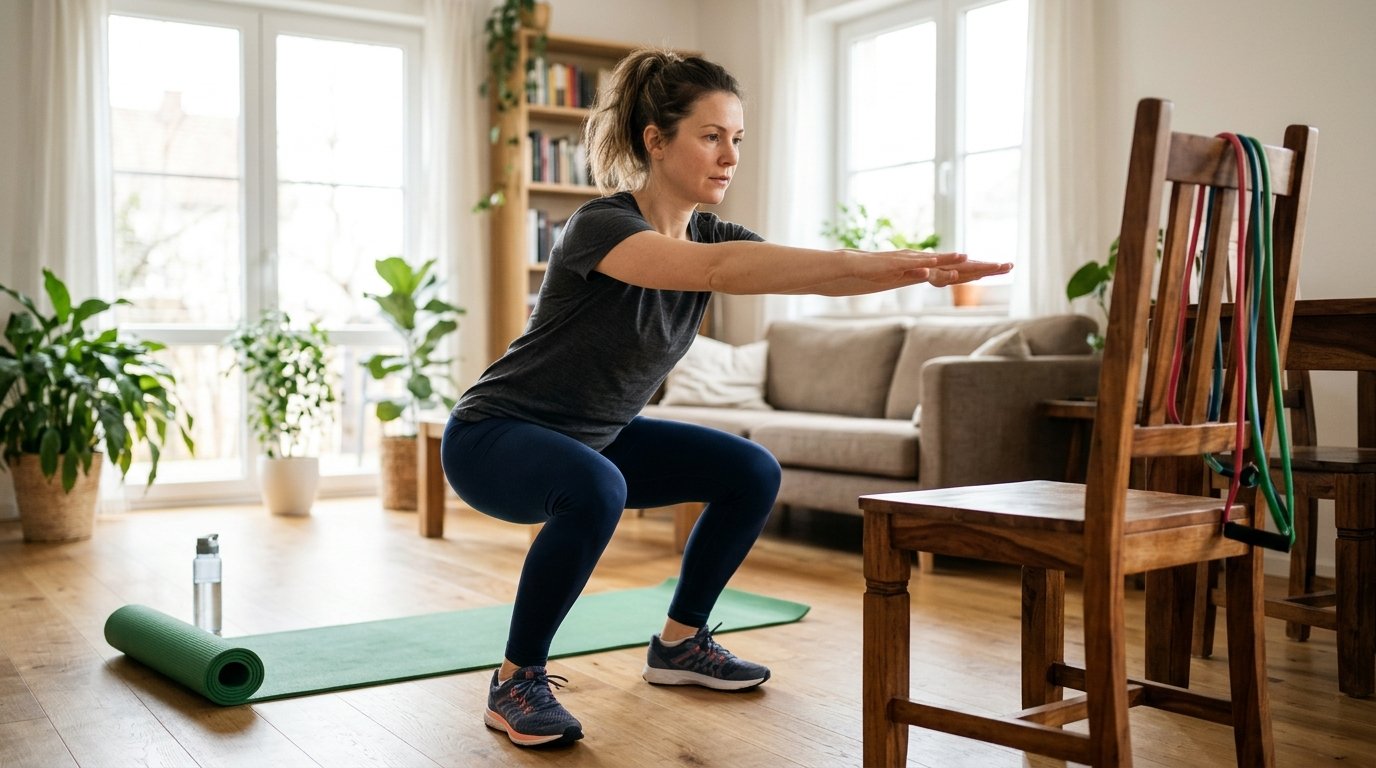
A routine fails for predictable reasons, rarely because the exercises were wrong. It fails because it needed equipment you do not own, time you do not have, or impact your knees cannot repeat weekly.
So score every routine against six variables before you admire its exercise list. Goal and level decide the training style. Equipment and time decide the format. Space and joints decide what is actually repeatable.
Your Goal, Your Level, Your Equipment
Goal comes first because it changes everything downstream. Building muscle rewards progressive overload and repeatable loads. General health rewards weekly minutes and consistency. Fat loss support rewards a routine you can pair with daily walking and sustainable eating.
Level is about your last eight weeks, not your athletic past. A returning exerciser after a long break is a beginner for loading purposes, however experienced they feel, and the first fortnight should prove joints and habits, not ego.
Equipment sets your progression ceiling. Bodyweight training progresses through leverage and tempo. Resistance bands add smooth, portable load. Dumbbells add the most honest load at home, and one kettlebell suits hinge and carry focused training.
Your Time, Your Space, Your Joints
Time means honest minutes, including the warm up. A 20 minute routine done three times beats a heroic hour done twice a month. Count the sessions you can protect on your worst week, not your best one.
Space filters harder than most guides admit. Apartment readers need quiet, no jumping work and a footprint near one exercise mat. Garage and backyard readers can add carries, step ups and louder conditioning without a neighbour problem.
Joints are the variable competitors skip entirely. Knees, lower back, wrists and shoulders each rule out specific moves. A routine with a joint friendly swap for every main pattern stays alive; one without swaps dies at the first sore week.
The Decision Matrix: Match Your Six Answers to One Routine Type
Read the matrix by finding the row that sounds most like your life. Each row names one winning type, one runner up, and the trap to avoid, so the decision takes minutes instead of another evening of tabs.
|
Your situation |
Best match |
Runner up |
Avoid |
|---|---|---|---|
|
Beginner, no equipment, normal joints |
Full body bodyweight |
Walking hybrid week |
Push pull legs splits |
|
Returning after a long break |
Full body bodyweight, two days |
Low impact strength |
HIIT circuits in week one |
|
Build muscle, dumbbells owned |
Dumbbell upper lower split |
Dumbbell full body |
Bodyweight only, long term |
|
One band set, small budget |
Full body bands |
Bodyweight plus bands hybrid |
Buying a full rack first |
|
Fat loss support, time poor |
Circuit strength plus walking |
HIIT circuit, twice weekly |
Daily high intensity work |
|
Bad knees, back or wrists |
Low impact strength |
Walking hybrid week |
Jumping HIIT and burpees |
|
Small apartment, thin floors |
Low impact strength, quiet |
Band full body, standing only |
Jump rope and plyometrics |
|
Only 20 minutes, three days |
Full body bodyweight, timed |
Band circuit |
Five day splits |
|
Older adult, balance matters |
Low impact strength plus walking |
Bodyweight with chair support |
Unsupervised high impact work |
|
Experienced, five or six days free |
Push pull legs at home |
Upper lower, four days |
Random daily sessions |
Two rows deserve a warning. The muscle row only works if your dumbbells are heavy enough to challenge you in the 6 to 15 rep range. The fat loss row works through adherence and total weekly movement, never through promised burn numbers.
If two rows describe you, pick the more limited one first. A joint limit or a tiny apartment outranks a muscle goal for the first eight weeks, because the limited routine is the one still running in month two.
The Routine Types Compared, Scored on the Same Seven Criteria
Seven routine types cover nearly every home situation. The table scores each on guideline fit, progression ceiling, joint cost, noise, space, cost and adherence risk, using the same criteria so the comparison stays honest.
|
Routine type |
Guideline fit |
Progression ceiling |
Joint cost |
Noise |
Space |
Cost |
Adherence risk |
|---|---|---|---|---|---|---|---|
|
Full body bodyweight |
High with walking added |
Moderate |
Low to moderate |
Silent |
One mat |
Free |
Low |
|
Full body bands |
High with walking added |
Moderate |
Low |
Silent |
One mat |
Low |
Low |
|
Dumbbell full body and upper lower |
High |
High |
Moderate |
Quiet |
Mat plus storage |
Medium to high |
Low to moderate |
|
Push pull legs at home |
High |
High |
Moderate |
Quiet |
Mat plus storage |
Medium to high |
Moderate, needs 5 to 6 days |
|
HIIT and circuit training |
High for vigorous minutes |
Moderate |
High |
Loud unless modified |
One mat |
Free to low |
High for beginners |
|
Low impact strength and mobility |
Moderate, add walking |
Moderate |
Lowest |
Silent |
One mat |
Free to low |
Lowest |
|
Walking hybrid week |
Highest for aerobic minutes |
Low for strength alone |
Lowest |
Silent outdoors |
None |
Free |
Lowest |
Scores are judgements, not measurements, and the profiles below explain each one. Notice the pattern: the types with the lowest joint cost and noise also carry the lowest adherence risk, which is why they win so many best-for verdicts.
Full Body Bodyweight
Three sessions a week, each training squat, hinge, push, pull substitutes and core. Without a rowing option, home pulling relies on towel rows, band rows or a sturdy table row, so add bands early if you can.
Its ceiling is leverage based: incline push ups become floor push ups, then feet elevated reps, then slow eccentric reps. That ladder lasts most beginners six months before load becomes the real limit.
Full Body Bands
Bands turn the bodyweight week into a loadable week for very little money. Rows, presses and deadlift patterns all gain smooth resistance, and the whole kit fits in a drawer, which suits small space readers perfectly.
The honest limits are load tracking and band wear. You cannot record exact resistance as cleanly as dumbbell weight, and latex bands perish over time, so inspect them and progress by reps, tempo and band thickness together.
Dumbbell Full Body and Upper Lower
Dumbbells are the strongest home tool for muscle and strength goals. Two or three full body days suit most readers; four days opens the upper lower split, which shortens sessions while raising weekly volume per muscle.
Progression is simple and honest: add reps, then add load, and keep one or two reps in reserve on final sets. Adjustable dumbbells solve the storage problem for apartment readers who still want a high ceiling.
Push Pull Legs at Home
Push pull legs divides training into push day, pull day and leg day, usually run twice through each week. It is a six day rhythm, or a rolling schedule across the week for people who train most days happily.
At home it demands real pulling equipment: bands, dumbbells or a pull up bar. Without a serious row and vertical pull option, the pull day hollows out and the split loses the balance that makes it worth choosing.
HIIT and Circuit Training
Circuits string exercises together with short rests, and HIIT pushes intervals toward vigorous intensity. Both compress a lot of work into 20 to 30 minutes, which is why time poor readers reach for them first.
The costs are joint load and recovery. Jumping versions are loud and knee heavy, and daily high intensity work crushes adherence. Two or three sessions weekly, with low impact swaps ready, is the sustainable dose for most homes.
Low Impact Strength and Mobility
This type keeps both feet quiet: step backs instead of jumps, split squats, glute bridges, wall or incline pressing, dead bugs and carries in place. It is the default verdict for joint limited and older readers.
Pair it with walking for aerobic minutes, because strength circuits alone rarely reach the aerobic guideline. Mobility work inside the week also protects the ranges your strength moves depend on, especially hips, ankles and shoulders.
Walking Hybrid Weeks
A walking hybrid week builds the routine around brisk walking plus two strength days. It sounds unglamorous and scores highest where it matters: aerobic guideline fit, joint cost, cost and the likelihood you are still doing it in winter.
It suits health goal readers, beginners who dislike formal workouts, and anyone rebuilding after illness or a long break. The strength days keep muscle and bone in the picture while walking quietly stacks the weekly minutes.
Best Home Workout Routine for Beginners
Winner: full body bodyweight, two or three days a week. Start with the two day minimum starter week below, using incline push ups, chair supported squats, glute bridges, towel or band rows and dead bugs.
Beginners do not need variety; they need repetition with good form. The same six movement patterns, practised twice weekly, teach squatting, hinging and pressing faster than a new workout every session ever will.
Add the third day only after two clean weeks with no joint complaints. Progress by reps first, then by a harder variation, and keep every session inside 30 to 40 minutes so the habit survives busy weeks.
Best Home Workout Routine for Building Muscle
Winner: dumbbell upper lower, four days a week. Upper days cover pressing and rowing; lower days cover squats, Romanian deadlift patterns, split squats and calf work, with load you can raise in small steps.
Muscle responds to progressive overload close to your limit, so track every set. When the top of your rep range feels controlled with two reps in reserve, the next session earns more load or a harder variation.
The runner up is push pull legs for experienced readers with five or six training days. Bodyweight only training can build early muscle, but its ceiling arrives sooner, which is why it is not the verdict here. How strength training reshaped everyday style is explored in the FashionGleem feature on how lifting weights changed fashion.
Best Home Workout Routine for Fat Loss Support
Winner: circuit strength three days a week, plus walking on most days. The circuit keeps muscle while you train; the walking quietly builds the weekly activity total that actually drives the energy side of the equation.
No routine on this page carries a calorie burn figure, because honest numbers vary by body and pace. What the evidence based guidelines support is total weekly movement, strength kept during loss, sleep and consistency, not a magic circuit.
Avoid the trap of daily HIIT. It looks committed and usually ends in sore knees, hunger spikes and a quiet quit by week three. Three circuits, two easy walks and two rest days beat it almost every time.
Best Home Workout Routine for Bad Knees and Sensitive Joints
Winner: low impact strength, with joint swaps built in. Replace jump squats with sit to stands, lunges with step backs or split squats to a comfortable depth, and floor planks with dead bugs if your back complains.
Knee friendly leg training favours glute bridges, box squats and step ups to a low step, with pain as the editor: mild effort discomfort is normal, sharp or joint line pain is a stop signal, covered fully in the safety section.
Wrist pain in planks and push ups swaps to fists, handles or incline pressing against a counter. Shoulder pain swaps overhead pressing for landmine style angles or pain free ranges, and any persistent joint problem deserves a clinician, not a harder programme.
Best Home Workout Routine for Small Spaces and Quiet Apartments
Winner: low impact strength or band full body, standing heavy. Both fit on one mat, need no jumping, and keep noise near zero, which protects both your deposit and your downstairs relationship.
Choose moves that travel nowhere: split squats, Romanian deadlifts, band rows anchored to a door, wall sits and marching in place. Skip jump rope, burpees and box jumps entirely; their conditioning role is easily covered by fast marching intervals.
Storage matters too. A band set and one mat disappear into a drawer or behind a door. Dumbbell readers in small spaces should price adjustable pairs, because a full rack quietly eats the room the routine was meant to save.
Best Home Workout Routine When You Only Have 20 Minutes
Winner: full body bodyweight or a band circuit, three days a week. Twenty focused minutes can hold a warm up, four main moves in a circuit, and a short finisher, if transitions stay tight and the phone stays elsewhere.
Be honest about the maths: three 20 minute sessions give 60 weekly minutes, below the aerobic guideline on their own. Add walking on other days, even ten minute walks after meals, and the week closes on the target without longer workouts.
The 20 minute verdict fails when it becomes 20 chaotic minutes. Keep the same circuit for eight weeks, track rounds or reps, and let small weekly improvements, not novelty, supply the motivation.
Best Home Workout Routine for Older Adults
Winner: low impact strength twice a week, plus regular walking. The guidelines give older adults the same aerobic and strengthening targets, with balance and multicomponent activity valued for fall risk reduction, per the guideline summary.
Chair supported squats, step ups to a low step, wall push ups, band rows and heel raises cover the patterns that protect independence. Every move should feel stable; a nearby chair or counter is equipment, not a compromise.
Start lighter than pride suggests and progress by reps and confidence first. Breathlessness that stops conversation, dizziness or chest symptoms are stop rules, and new exercisers with medical conditions should clear the plan with their clinician first.
Starter Weeks: What Your Pick Looks Like on the Calendar
A verdict without a calendar is only half a decision. These compact starter weeks translate the main verdicts into days and sessions. Run any of them for two weeks before judging it, and repeat for up to eight.
|
Day |
Two day minimum (bodyweight) |
Three day full body (bands or bodyweight) |
|---|---|---|
|
Monday |
Full body A: squat, incline push up, glute bridge, towel row, dead bug |
Full body A: squat pattern, push, row, core |
|
Tuesday |
Walk 20 to 30 minutes |
Rest or easy walk |
|
Wednesday |
Rest or easy walk |
Full body B: hinge, split squat, press, row, carry in place |
|
Thursday |
Walk 20 to 30 minutes |
Rest or easy walk |
|
Friday |
Full body B: split squat, floor push up, hip hinge drill, row, plank |
Full body A repeated, small progression |
|
Saturday |
Optional walk or mobility |
Optional walk or mobility |
|
Sunday |
Rest |
Rest |
|
Day |
Four day upper lower (dumbbells) |
Fat loss support week (circuit plus walking) |
|---|---|---|
|
Monday |
Upper: press, row, overhead press, curls or band work |
Circuit A: squat, push, hinge, row, core, 3 rounds |
|
Tuesday |
Lower: squat, Romanian deadlift, split squat, calves |
Walk 30 to 45 minutes |
|
Wednesday |
Rest or walk |
Circuit B: step back lunge, incline push, bridge, row, march intervals |
|
Thursday |
Upper repeated, small load or rep rise |
Walk 30 to 45 minutes |
|
Friday |
Lower repeated, small load or rep rise |
Circuit A repeated |
|
Saturday |
Optional mobility |
Optional long walk |
|
Sunday |
Rest |
Rest |
For the low impact and older adult verdict, use the two day table with the swaps from the joint section: sit to stands for squats, wall push ups for floor work, and heel raises added. For the quiet apartment verdict, use the three day table with marching intervals instead of any jumping finisher.
Treat these outlines as starting doses, not contracts. Miss a day and continue the sequence rather than doubling up. The week bends; the pattern of strength days, walking days and rest days is what must survive.
The Guideline Check: Does Your Pick Clear the CDC and HHS Bar?
The Centers for Disease Control and Prevention sets the floor plainly in its CDC adult activity overview: at least 150 minutes of moderate intensity activity weekly, or 75 minutes vigorous, plus muscle strengthening on 2 or more days.
The HHS Office of Disease Prevention and Health Promotion, in the Physical Activity Guidelines for Americans, frames the fuller range: 150 to 300 minutes moderate weekly brings additional benefit, and any amount of activity has some benefit for inactive adults.
One old rule is gone. The current guidelines removed the 10 minute bout minimum, so short walks and split sessions count fully. That single change is what makes 20 minute routines and walking hybrid weeks legitimate instead of consolation prizes.
|
Weekly element |
Guideline floor |
How the winning types clear it |
|---|---|---|
|
Moderate aerobic minutes |
150 minutes (up to 300 for more benefit) |
Walking hybrid clears it alone; other types clear it with added walks |
|
Vigorous aerobic minutes |
75 minutes as an alternative |
HIIT and hard circuits, two to three sessions |
|
Muscle strengthening days |
2 or more days, all major muscle groups |
Every strength type here, at two days minimum |
|
Older adult addition |
Balance and multicomponent activity |
Low impact strength plus walking and heel raises |
|
Session length rule |
No minimum bout length |
Short walks and 20 minute sessions all count |
Check your pick against this table before week one. If the aerobic row fails, the fix is almost never a harder workout; it is two or three walks added to the week, which is the cheapest upgrade in home training.
Switch or Stay: How Long to Keep a Routine and What to Change First
Keep one routine for eight weeks before judging it. The first two weeks teach form, the next four build the habit and the load, and only the final fortnight tells you whether the type itself fits your life.
Change one variable at a time when progress stalls: reps first, then load or variation difficulty, then an extra day. Changing exercises, days and intensity together destroys the evidence you need to know what actually worked.
|
Signal |
Meaning |
First move |
|---|---|---|
|
All sets easy, two plus reps in reserve everywhere |
Load or variation too light |
Progress reps, then load or leverage |
|
Soreness wrecking the next session weekly |
Dose too high for recovery |
Cut one set per move, keep the days |
|
Dreading sessions, skipping by week three |
Adherence failure, not laziness |
Switch type toward lower friction, not harder |
|
Joint pain appearing most sessions |
Joint cost too high for you |
Apply the swaps, then switch type if it persists |
|
Eight clean weeks, goals met, bored |
Routine has done its job |
Graduate one level: new split or heavier tool |
|
Life changed: new baby, new job, injury |
Variables changed, verdict expires |
Re-run the six questions and re-pick |
The most common switch is the wrong switch: abandoning a working routine for a harder one because a feed said so. If your numbers rise and your joints stay quiet, the routine is best for now, whatever it is called.
Safety Rules for Every Routine Type
This page gives general information, not medical advice, and no routine here promises a result. Pain is information: muscle effort and mild next day soreness are normal training signals, while sharp, joint line or chest pain is not.
Warm up for three to five minutes before every session: marching in place, easy squats to a chair, arm circles and the first main move at half effort. The warm up is part of the session time you counted in your six answers.
Joint Friendly Swaps by Routine Type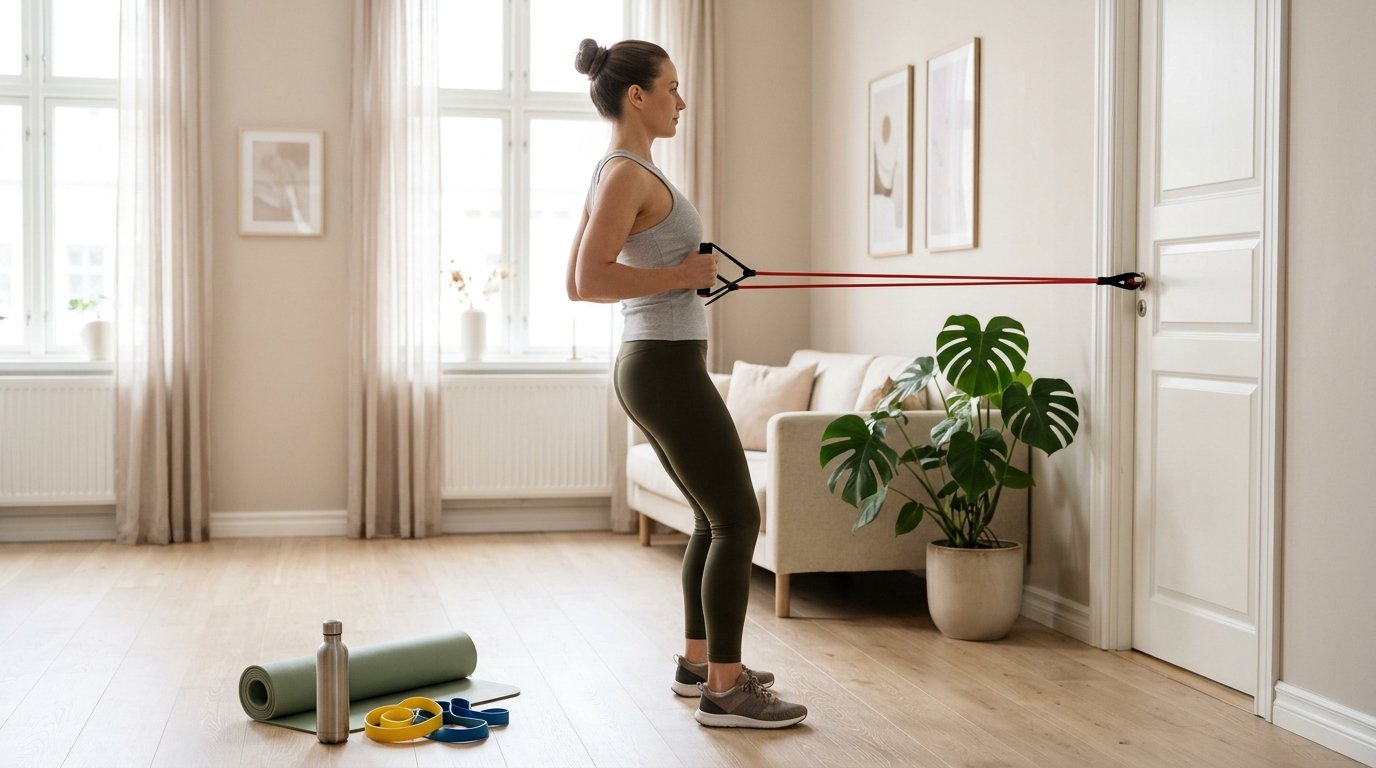
Swap before you suffer. Knees take step backs, box squats and glute bridges instead of jumps and deep lunges. Backs take dead bugs and bird dogs instead of sit ups and loaded rounding, and wrists take fists or incline pressing.
Shoulders press inside a pain free arc only, and every type keeps a regression one step easier than the main move. The ACE Fitness exercise library shows regressions and form cues for most patterns named here if a written description is not enough.
Stop Rules and When to See a Clinician
Stop the session for chest pain or pressure, dizziness, unusual breathlessness or sharp joint pain, and seek medical help for those symptoms. MedlinePlus exercise and physical fitness guidance gives a plain language version of the same red flags for new exercisers.
See a clinician or physical therapist when joint pain persists beyond two weeks, when numbness or weakness appears, or when a known condition changes what is safe. A routine chosen around an undiagnosed problem is a guess wearing gym clothes.
Older Adults, Pregnancy and Returning After Illness
Older adults should build balance work and stable support into every week and clear new programmes with their clinician when chronic conditions are in play. Progress is measured in steadiness and reps, not in keeping up with a video.
During pregnancy, follow your own clinician and the ACOG exercise during pregnancy guidance: previously active people often continue moderate exercise with modifications, while new, intense or contact risk activity needs individual advice. Postpartum returns should be gradual and clinician guided.
After illness or a long break, restart at half your old dose for the first week. Former numbers are history, not targets, and the returning reader who respects that rule is usually the one still training at week eight. Daily movement habits that support recovery are covered in FashionGleem’s best healthy habits for women and its wider healthy lifestyle tips guides, and rest days pair well with a deliberate self-care routine.
Frequently Asked Questions
What is the best home workout routine overall?
For most readers, a full body routine two or three days a week, plus walking. It clears the strengthening guideline, fits small spaces and normal joints, and survives busy weeks better than any split.
What makes one home workout routine better than another?
The match to your goal, level, equipment, time, space and joints, plus guideline fit. A routine you repeat for eight weeks with rising numbers beats a harder routine abandoned in week three.
Is a full body routine or a split better at home?
Full body wins for two or three training days and most beginners. Splits win when you train four or more days and want shorter sessions with more volume per muscle each week.
What is the best home workout routine for beginners?
Full body bodyweight, two days a week to start. Practise squat, hinge, push, row and core patterns with regressions like incline push ups and chair squats, then add a third day after two clean weeks.
What is the best home workout routine for building muscle?
A dumbbell upper lower split, four days a week. Dumbbells give honest, trackable load for progressive overload, and four days provides enough weekly volume per muscle without marathon sessions.
What is the best home workout routine for fat loss?
Circuit strength three days a week plus walking on most other days. The circuits protect muscle, the walking builds weekly activity, and the combination is sustainable in a way daily intense training rarely is.
What is the best home workout routine with no equipment?
Full body bodyweight: squats, split squats, glute bridges, push up variations, towel or table rows, and core work. Progress through leverage, tempo and reps, and add a band set when pulling feels too easy.
What is the best home workout routine with dumbbells only?
Either three day full body or four day upper lower, depending on your free days. Dumbbells only is enough for years of progress if the weights challenge you in the 6 to 15 rep range.
Are resistance bands or dumbbells better for a home routine?
Dumbbells for muscle and measurable progression; bands for budget, travel, small storage and joint friendly smooth resistance. Many homes end with both: dumbbells as the base load, bands for rows, presses and warm ups.
What is the best home workout routine for bad knees?
Low impact strength built on sit to stands, box squats, glute bridges, step backs and low step ups, with no jumping. Keep pain mild and effort based; sharp or persistent knee pain needs a clinician.
What is the best low impact home workout routine?
A strength circuit with both feet quiet: split squats, bridges, incline pressing, band rows, dead bugs and marching intervals, two or three days weekly, plus walking for aerobic minutes.
What is the best home workout routine for small spaces or apartments?
Band full body or low impact strength on one mat. Standing, travel free moves, drawer sized storage and zero jumping make these the only types that truly respect a small room.
What is the best quiet home workout routine?
The same answer as small spaces: low impact strength or bands, with marching intervals replacing jumps. Train in socks or soft shoes, and schedule louder work, if any, for reasonable hours.
What is the best 20 minute home workout routine?
A full body circuit: one minute warm up pace marching, then squat, push, hinge and row moves in rounds with short rests. Keep the same circuit for eight weeks and track rounds completed.
Is 20 or 30 minutes a day enough for a home routine?
For strength, yes; for the full aerobic guideline, only with help. Three 30 minute sessions give 90 minutes, so add walks to reach 150. Short sessions count fully; the bout minimum rule is gone.
How many days a week is best for a home workout routine?
Two to four strength days covers nearly everyone, plus walking on other days. Two days is the honest minimum for the strengthening guideline; more days help only if recovery and joints keep up.
What is the best 3 day home workout routine structure?
Full body on non consecutive days, such as Monday, Wednesday and Friday, with walking between. Vary the emphasis slightly per day, keep the same patterns, and progress one variable at a time.
What is the best 4 day home workout routine structure?
An upper lower split: upper, lower, rest, upper, lower. Sessions shorten to 30 to 40 minutes, each muscle trains twice weekly, and weekends stay free, which suits working readers well.
Can I do a home workout routine every day?
You can move every day, but do not train the same muscles hard daily. Alternate strength days with walking, mobility and rest. Daily high intensity training is the fastest route to soreness, stalled numbers and quitting.
How long should I follow one routine before switching?
About eight weeks. Two weeks to learn form, four to build load and habit, and a final fortnight to judge fit. Switch early only for pain, a life change, or total adherence collapse.
When should I switch to a harder routine?
When every main move finishes with two or more reps in reserve for two straight weeks, your joints stay quiet, and you complete sessions consistently. Graduate one variable: load, variation or an extra day.
How do I progress a home routine without weights?
Use the leverage ladder: harder angles, slower eccentric tempos, pauses, single leg versions and more reps. Incline to floor to feet elevated push ups is the classic example, and split squats progress any leg day.
Does the best home routine meet CDC exercise guidelines?
It should. The CDC adult activity overview asks for 150 weekly moderate minutes, or 75 vigorous, plus strengthening on 2 or more days. Every verdict on this page was scored against that floor.
How much weekly exercise do guidelines recommend?
Adults need 150 to 300 minutes of moderate aerobic activity weekly, or 75 to 150 vigorous, plus muscle strengthening on at least 2 days working all major muscle groups, per the federal guidelines.
Is HIIT or steady cardio better in a home routine?
Neither wins outright. HIIT is time efficient but joint heavy and hard to repeat; steady cardio like walking is joint friendly and easy to accumulate. Most home routines do best with strength plus steady cardio, HIIT optional.
What is the best home workout routine for older adults?
Low impact strength twice weekly plus walking, with balance work such as heel raises and supported step ups. Use stable support nearby, progress by reps and confidence, and clear new programmes with a clinician when conditions exist.
What is the best home workout routine during pregnancy?
A moderate, clinician approved routine based on what you already did: walking, low impact strength and mobility, modified as pregnancy progresses. Follow the ACOG exercise during pregnancy guidance and your own clinician, not a generic plan.
What is the best home workout routine for busy parents?
The two day minimum full body week, 30 minutes per session, plus walks that can include the children. It clears the strengthening guideline, forgives chaotic weeks, and upgrades to three days when life calms.
Do I need a warm up in a short home routine?
Yes, but keep it inside the session: three to five minutes of marching, easy rehearsal reps and mobility. Skipping it to save time usually costs more in stiff, sloppy first sets than it saves.
What equipment is worth buying first for a home routine?
A mat first, then a band set, then dumbbells when muscle goals justify them. That order buys safety, then pulling and load options, then a high progression ceiling, without wasting money on gear your routine never uses.
Can a home routine work as well as a gym routine?
For health, consistency and most muscle goals, yes, if load can progress. Gyms win on very heavy loading and machine variety. Home wins on friction: no commute is the strongest adherence tool there is.
How soon will I see results from a home workout routine?
Expect better energy and session numbers within weeks, visible change over a few months of consistency. Anyone promising transformation in 30 days is selling, not coaching. Track reps, load and weekly minutes, not just the mirror.
Why is my home routine not working anymore?
Usually one of four causes: load stopped progressing, soreness is eating recovery, adherence quietly dropped, or your life variables changed. Diagnose with the switch or stay table before replacing the whole routine.
What is the best home routine after a long break?
Two day full body bodyweight at half your old dose for the first week or two. Former numbers are history. Rebuild form, joint tolerance and the habit, then progress normally from week three.
How do I make a home routine joint friendly?
Build in swaps for every main pattern: step backs for jumps, box squats for deep lunges, dead bugs for sit ups, incline pressing for painful floor work, and a pain free range rule for shoulders.
What are the best exercises inside a home routine?
The patterns matter more than the moves: a squat, a hinge, a push, a pull and core work. Squats, Romanian deadlift patterns, push ups, rows and dead bugs cover them with almost any equipment.
Should my routine include core training every day?
No. Two or three focused core exposures weekly inside strength days is plenty for most readers. Daily maximal core work adds fatigue without extra benefit; posture and bracing improve through the main lifts too.
What is the best home routine for posture and back comfort?
Low impact strength with rowing and glute emphasis: band rows, glute bridges, bird dogs and dead bugs, plus walking. It strengthens the back side of the body without loaded spinal rounding or aggressive sit up volume.
How do I stay consistent with a home workout routine?
Anchor sessions to an existing habit, keep the same days, track completions, and protect a two day minimum in bad weeks. Consistency systems beat motivation; more ideas sit in the FashionGleem lifestyle guides.
What is the best free home workout routine option?
The two or three day full body bodyweight week on this page: no equipment, no app and no subscription. Follow along videos are optional extras, not requirements, and written routines are easier to progress and track.
Is a 7 minute workout enough as a home routine?
As a starting spark on busy days, yes; as your whole routine, no. It cannot deliver 150 weekly aerobic minutes or two real strengthening days. Use it to protect the habit, then build toward the starter weeks.
When should I stop a workout and see a clinician?
Stop for chest pain or pressure, dizziness, unusual breathlessness or sharp joint pain, and seek medical help for those symptoms. See a clinician when joint pain persists beyond two weeks, or numbness or weakness appears.
Conclusion
Best home workout routine decisions get easier once the medal table disappears. The winning routine is the one that fits your goal, level, equipment, time, space and joints, clears the guideline floor, and is still running in week eight.
Pick your row in the matrix today, start with the matching starter week, and change nothing for a fortnight except showing up. If you want more structure, the FashionGleem lifestyle and wellness guides are a good next read before your next session.

Dilawar is a contributing writer at Fashiongleem.com, focusing on beauty, hairstyles, skincare, fashion accessories, and personal grooming. He creates informative, easy-to-follow articles that help readers explore new looks, understand popular beauty trends, and improve their everyday styling routines. His writing emphasizes practical advice, useful product information, and accessible fashion inspiration for modern readers.