
Natural Ways to Increase Hair Thickness That Actually Help
Natural ways to increase hair thickness start with one honest fact most guides skip. You cannot grow new follicles, and you cannot permanently widen a genetically fine strand.
What you can change is still worth having. You can keep more of the hair you already grow, stop it breaking thinner at the ends, and style it so it looks genuinely fuller.
That is the promise of the natural methods below. Each one is graded by what it can actually change, so you never pay for a follicle promise with a shampoo budget.
Some methods support retention and shedding. Others work today through coating, root lift and cut shape. Both kinds count, as long as you know which kind you are using.
One boundary before the methods. This is general information, not medical advice, and no natural routine can guarantee regrowth or a thicker result for progressive hair loss.
Thickness, Density and Fullness Are Not the Same Thing
Hair thickness technically means the width of a single strand. Hair density means how many strands grow on your scalp. Perceived thickness means how full the hair looks and feels overall.
Confusing those three is how weak remedies get sold as cures. A product can raise perceived thickness in minutes while doing nothing at all for strand width or follicle count.
The table below is the map for everything that follows. Every method in this article is judged against it, and each section tells you which row that method can move.
|
Measure |
What it means |
What natural methods can do |
What they cannot do |
|---|---|---|---|
|
Strand diameter |
Width of one hair strand |
Temporarily swell or coat it, protect the ends |
Permanently widen a fine strand |
|
Hair density |
Follicles and strands per scalp area |
Reduce excess shedding and breakage, keep existing strands |
Create new follicles or raise your born count |
|
Perceived thickness |
How full hair looks and feels |
Add root lift, texture, cut shape and camouflage |
Match medical results for progressive pattern loss |
Strand Diameter, the Width You Are Born With
A fine strand is narrow by genetics, not by damage or neglect. Fine hair can be perfectly healthy, plentiful and shiny while still feeling delicate in your fingers.
No oil, food or supplement has been shown to permanently widen that strand. Claims that a remedy rebuilds strand width from the root should be treated as marketing, not biology.
What does work on this row is temporary and honest. Coating polymers, panthenol and swelling from conditioning can make each strand feel wider until the next wash removes the effect.
Hair Density, the Follicle Count You Cannot Raise
Your follicle count is set before birth, and natural methods cannot add to it. Anyone promising new follicles from a kitchen remedy is promising something biology does not offer.
Density can still look better without new follicles. When excess shedding slows and breakage drops, more of your existing strands stay on your head at full length.
That retention effect is real and measurable over months. A ponytail that stops shrinking is density being kept, even though the follicle count never changed at all.
Perceived Thickness, the Fullness You Can Change
Perceived thickness is where most natural wins live. Root lift, a blunt hemline, the right dry shampoo and scalp camouflage can change the mirror result the same day.
This row is not a consolation prize. For fine hair especially, perceived fullness is what people actually want when they search for thicker looking hair at home.
Stylists work this row professionally every day. The cuts and styling methods in the cosmetic section below borrow that craft and grade it as appearance, not regrowth.
First, Work Out Why Your Hair Looks Thinner
Hair that looks thinner has three common causes, and each one needs a different fix. Breakage thins the ends, shedding thins the whole head, and pattern thinning thins specific zones.
Treating breakage with a growth remedy wastes months. Treating pattern thinning with a hair mask wastes money. Ten minutes of honest diagnosis saves both, so start here.
Look at your brush, your parting and your ends. Short broken pieces point to damage, full length strands with a bulb point to shedding, and a widening part points to pattern change.
Breakage, Shedding or Pattern Thinning, How to Tell
Breakage snaps strands mid length, so the ends look sparse and fuzzy. It comes from heat, bleach, rough detangling and tight styling, and it improves when handling gets gentler.
Shedding releases whole strands from the root, often after stress, illness, childbirth or rapid weight loss. The American Academy of Dermatology notes that this kind of shedding, called telogen effluvium, often eases once the trigger passes.
Pattern thinning follows a map, a widening part in women or recession and crown loss in men. It is called androgenetic alopecia, it progresses slowly, and natural care can only support it, never reverse it alone.
Red Flags That Need a Dermatologist First
Some hair loss is a medical symptom, not a cosmetic problem. The American Academy of Dermatology hair loss causes guide lists causes from thyroid disease to scalp infection that no routine can fix.
Book a board certified dermatologist before building a natural routine if you notice any of the following signs. Catching a medical cause early protects follicles that waiting could lose.
- Sudden or patchy loss, including smooth bald spots
- Pain, scaling, crusting or intense scalp itching
- Rapid widening of the part or visible scalp spreading
- Loss paired with fatigue, weight change or other new symptoms
- Shedding that stays heavy beyond six months
MedlinePlus hair loss information gives a plain language overview of these causes and tests. Read it before spending on supplements, because diagnosis is cheaper than a year of guessing.
Natural Ways That Support Fullness, Graded by Evidence
Not every natural method deserves equal trust. Below, each method carries a plain grade: studied, plausible care benefit, cosmetic only, or unsupported for thickness.
The summary table comes first, so you can scan the grades in seconds. The sections after it explain the method, the limits and the safe way to use each one.
|
Method |
Grade |
What it can change |
Honest limit |
|---|---|---|---|
|
Gentle handling and breakage control |
Strong care benefit |
Length retention, fuller ends |
Cannot change strand width |
|
Scalp massage |
Preliminary study support |
Strand thickness measure in one small study |
Nine men, 24 weeks, not a guarantee |
|
Rosemary oil |
One small trial |
Hair count in pattern loss at 6 months |
Compared with 2 percent minoxidil only |
|
Coconut oil |
Studied for damage |
Less protein loss, less breakage |
Does not regrow hair |
|
Food first nutrition |
Strong when correcting gaps |
Normal growth where intake was low |
Extra nutrients do not add thickness |
|
Supplements |
Deficiency only |
Growth where a true deficiency exists |
Excess can cause hair loss |
|
Castor, argan and other oils |
Cosmetic and care |
Shine, slip, less friction breakage |
No regrowth proof |
|
Rice water and egg masks |
Cosmetic only |
Temporary strength feel and shine |
No permanent thickening |
Stop Breakage, the Gentle Handling Routine
Breakage control is the highest value habit on this page. Hair grows about half an inch a month, and every snapped strand is growth you grew but never got to keep.
The American Academy of Dermatology hair loss tips advise gentle handling, loose styles and conditioner at every wash. Those basics outperform most remedies because they remove the cause, not the symptom.
Detangle wet hair gently with a wide tooth comb, starting from the ends. Wet strands stretch and snap easily, so patience at this step protects your thinnest, oldest hair.
The American Academy of Dermatology habits that damage hair page names the usual culprits: hot tools, tight pulling and harsh brushing. Swapping two of those habits often improves end fullness within weeks.
Scalp Care and Scalp Massage
A clean, calm scalp is the soil your existing follicles work in. Regular gentle cleansing removes buildup that flattens roots, and it keeps dandruff and itching from driving scratch damage.
Scalp massage has one small study behind it. The Koyama 2016 research, available through PMC, used four minutes daily for 24 weeks in nine men and recorded a thickness increase.
Read that grade honestly: small and preliminary. Massage is free, pleasant and low risk, so it earns a place in the routine, but it is not proven regrowth for everyone.
Use fingertips, never nails, in slow circles while shampooing. Four minutes during a wash a few times weekly is a realistic habit, unlike routines that demand daily extra sessions.
Rosemary Oil, What the 2015 Trial Actually Found
Rosemary oil carries the strongest single trial of any remedy here. The Panahi 2015 study, listed as PMID 25842469 in PubMed, tested rosemary oil against minoxidil 2 percent.
One hundred people with androgenetic alopecia took part for six months. Both groups gained significant hair count at six months, with no significant difference between the groups, and less itching in the rosemary group.
That means comparable in one trial, not superior and not proven for other loss types. There was no 5 percent minoxidil comparison, so do not let anyone upgrade the claim beyond the evidence.
Use it diluted, always. Mix a few drops of rosemary essential oil into a carrier oil, patch test first, and stop if you get burning or a rash.
Oils That Protect Strands, Coconut, Castor, Argan, Jojoba and Olive
Coconut oil has a studied care benefit: it reduces protein loss from hair in damage research. That means less breakage, which means fuller ends, which is not the same as regrowth.
Castor oil is thick, glossy and great at coating, but there is no solid trial showing it regrows hair. Enjoy it as a shine and slip treatment, not as a density treatment.
Argan, jojoba and olive oils smooth the cuticle and cut friction between strands. Less friction means fewer tangles, gentler detangling and fewer snapped ends across months of handling.
Heavy oils can flatten fine hair fast. If your hair is fine, apply oil to the ends only, keep it off the roots, and choose small amounts you can wash out cleanly.
Porosity changes how oils behave, so match the weight to your strands. The FashionGleem guide to high porosity hair explains why damaged, porous hair drinks up product that fine hair rejects.
Food First Nutrition for Hair
Hair follicles are protein building tissue, and keratin is protein. Eating enough protein, iron rich foods and varied plants supports normal growth far more reliably than any single superfood.
Eggs, salmon, lentils, nuts and seeds cover protein, iron, zinc and omega 3 fats in ordinary meals. Iron absorbs better with vitamin C, so pair lentils with peppers or citrus for a practical boost.
Crash diets are a known shedding trigger. Rapid weight loss, very low protein intake and illness can push follicles into a shedding phase two to three months later, a delay that hides the cause.
Food first also means food limits. More of a nutrient you already have enough of does not build more hair, and the next section explains where extra intake turns actively harmful.
Supplements, the Deficiency Only Rule
Supplements help hair in one situation only: when a blood test shows a real deficiency. Iron, vitamin D, zinc and folate all matter, and correcting a low level can restore normal growth.
Biotin is the most oversold case. The NIH Office of Dietary Supplements notes biotin deficiency is rare, and the FDA has warned that high dose biotin can distort lab tests, including heart tests.
Too much can backfire directly. The American Academy of Dermatology warns that excess vitamin A, selenium and vitamin E intake has been linked to hair loss itself.
Ask a clinician about ferritin, vitamin D and thyroid tests before buying anything. The National Center for Complementary and Integrative Health advises the same caution for complementary products: natural on a label is not a safety guarantee.
Natural Ways That Make Hair Look Thicker Today
Cosmetic fullness is not cheating. It is the fastest honest route on this page, and for fine hair it may deliver most of the result you actually wanted.
These methods work through coating, lift and shape. They wash out or grow out, and the page says so plainly, because knowing the limit lets you use them well.
Thickening and Volumizing Products, How Coating Works
Thickening shampoos and sprays coat each strand with light polymers. The strand feels wider, the hair resists lying flat, and the effect lasts until the next wash.
Panthenol is a common coating ingredient that also draws in moisture. On fine hair it can add a plumper feel without the heavy grease that oils leave at the roots.
Keep conditioner off the scalp if volume is the goal. Condition the mid lengths and ends, where breakage lives, and leave roots light so they lift instead of collapsing.
Product buildup quietly kills volume over time. A gentle clarifying wash every few weeks resets the roots, and the FashionGleem hair style category collects more routines for keeping fine hair light.
Cuts That Create Fuller Ends
A blunt cut is the stylist trick competitors underplay. One length ends line up together, so the hemline looks dense instead of wispy, with no product required.
Heavy layers can hurt thin hair by removing the very strands that create the hemline. Short, light layering near the crown can add movement, but the ends should stay visibly full.
The FashionGleem guide to the best haircut for scanty hair shows which shapes protect density at the ends. Bring those photos to your stylist instead of asking for generic layers.
Longer statement cuts still work if the perimeter stays strong. A butterfly haircut keeps length with face framing layers, while a wolf cut for women adds crown texture that fine hair must balance against thinner ends.
Root Lift, Dry Shampoo and Styling Without Heat Damage
Dry shampoo absorbs oil at the root, and oil is what makes fine strands clump and separate. Applied before bed, it gives grit and lift by morning with zero heat.
Blow dry upside down or against the growth direction, on warm rather than hot settings. Direction creates lift at the root, while excess heat creates the breakage this page is trying to undo.
A salon finish works on the same physics: tension, direction and cooling set the shape. The FashionGleem explainer on why hair looks better after a salon blowout breaks down that finish so you can copy it at home.
Mousse belongs at the roots, worked through damp hair before drying. A root lifting mousse adds body where flatness starts, and a pea sized amount avoids the crunchy, weighed down result.
Scalp Camouflage, Fibers and Color
Hair fibers are tiny keratin particles that cling to strands and cover visible scalp. They are pure camouflage, they wash out, and for a widening part they can be transformative for confidence.
Tinted root sprays and scalp shading work the same honest way. They reduce the contrast between hair and skin, which is exactly what the eye reads as thinness in photographs.
Color can deepen that effect. Multi dimensional color like balayage hair color ideas adds light and shadow that make hair read fuller, though bleach damage must be weighed against breakage risk.
None of these change a single follicle. They change what the mirror shows today, and paired with retention habits they cover both the short and long timelines honestly.
|
Option |
What it is |
Trial finding |
Key limit |
|---|---|---|---|
|
Rosemary oil |
Plant essential oil, diluted on scalp |
Hair count rose at 6 months, no significant difference vs minoxidil 2 percent |
One small trial, 100 people, pattern loss only |
|
Minoxidil 2 percent |
Over the counter drug, not natural |
Hair count rose at 6 months in the same trial |
A drug with possible side effects, needs ongoing use |
|
Minoxidil 5 percent |
Stronger drug strength |
Not tested against rosemary in that trial |
Cannot be claimed equal or weaker than rosemary |
Habits That Quietly Make Hair Thinner
The fastest thickness gains often come from stopping a loss, not adding a remedy. Tight styles, heat and rough handling remove hair daily, silently outpacing most growth efforts.
Tight ponytails and braids pull follicles under constant tension. The American Academy of Dermatology links that traction to traction alopecia, which can become permanent if the pulling continues for years.
Daily high heat without protectant cooks moisture out of the shaft. The strand turns brittle, snaps under brushing, and the ends thin out even while roots keep growing normally.
Aggressive brushing of wet hair, rough towel drying and sleeping on cotton all add friction. Each habit alone is small; together they decide whether length survives to the hemline.
Growth and thickness are cousins, not twins. The FashionGleem guide on how to make hair grow faster covers rate and retention together, and its lessons pair with the breakage rules above.
Swap the habits in this order for the biggest early win. Loosen the styles first, cut the heat second, then fix detangling and sleep friction with a silk pillowcase and gentle tools.
- Loosen ponytails, buns and braids, and vary their position
- Lower hot tool temperature and always use heat protectant
- Detangle from the ends upward, never rip from the root
- Sleep on silk or satin to cut overnight friction
- Trim split ends before they travel up the strand
Adjust the Routine to Your Hair Type
One routine does not fit every head. Fine straight hair, curly hair and color treated hair lose fullness in different ways, so the same product can help one and hurt another.
Fine and Straight Hair
Your enemy is weight and oil. Wash as often as your scalp needs, use lightweight formulas, keep oils and masks on the ends, and judge every product by whether your roots still lift afterward.
Rosemary deserves care here too. The FashionGleem guide to rosemary water for hair covers the lighter water based option, which suits fine hair better than heavy oil blends at the root.
Curly and Coily Hair
Your enemy is dryness and shrinkage confusion. Curly hair can look thinner when dry and broken, so moisture, gentle detangling with conditioner and low manipulation protect the length you already have.
Wash less often if your scalp allows, and detangle in the shower with slip. Diffuse on low heat or air dry, because stretched, heat damaged curls lose both pattern and fullness.
Color Treated and Heat Damaged Hair
Your enemy is cumulative chemical damage. Bleach lifts the cuticle and weakens the shaft, so protein and moisture balance, bond care and longer gaps between services protect fragile ends.
If ends are snapping faster than roots grow, no remedy section matters yet. Stabilize the damage first with trims and gentle care, then judge thickness once breakage has stopped.
A Simple Weekly Routine for Fuller Looking Hair
A routine you repeat beats a remedy you try once. This weekly pattern combines retention, scalp care and cosmetic lift in about the time of two normal washes.
|
Day pattern |
Step |
Why it helps |
|---|---|---|
|
Wash days, 2 to 4 times weekly |
Gentle shampoo, conditioner on ends |
Clean scalp, light roots, protected ends |
|
Wash days |
Four minute scalp massage while shampooing |
Scalp care habit tied to the small study routine |
|
Twice weekly |
Diluted rosemary oil before a wash, patch tested |
The studied remedy, used safely and consistently |
|
Nightly |
Dry shampoo at roots before bed on flat days |
Oil absorbed overnight, lift by morning |
|
Nightly |
Loose braid or bun, silk pillowcase |
Less friction, less traction, fewer tangles |
|
Weekly |
One heat free styling day minimum |
Cuts cumulative heat breakage |
|
Every 8 to 12 weeks |
Trim to remove split ends |
Stops splits travelling and thinning the hemline |
Start with three changes only: gentler detangling, looser styles and one scalp habit. Adding everything at once makes the routine collapse, and consistency over three months is what retention needs.
Track progress with monthly photos in the same light and the same parting. Memory lies about slow change, but a ponytail measurement and dated photos show whether shedding and fullness are moving.
Keep expectations on the growth cycle clock. Hair grows slowly, so a routine started today is judged by the hair that emerges and survives over the next two seasons, not next week.
The National Center for Complementary and Integrative Health hub is a useful bookmark for checking complementary claims generally. If a remedy promises results faster than hair can grow, the claim fails basic biology.
How Long Natural Methods Take
|
Method type |
First visible change |
Fair review point |
|---|---|---|
|
Coating products, dry shampoo, fibers |
Same day |
Immediate, washes out |
|
Cut change, blunt hemline |
Same day |
At the appointment |
|
Breakage control routine |
Fuller ends in 6 to 12 weeks |
3 months |
|
Scalp massage habit |
Study measured 24 weeks |
6 months |
|
Rosemary oil |
Trial measured 6 months |
6 months |
|
Deficiency correction |
After levels normalize |
3 to 6 months, clinician guided |
|
Telogen effluvium recovery |
Shedding eases after trigger ends |
6 to 9 months for visible fullness |
Cosmetic methods report in a day, care methods in weeks, and growth related methods in months. Mixing those clocks is how good routines get abandoned too early.
The clinical background in StatPearls on NCBI Bookshelf explains the growth cycle behind those timelines. Follicles spend years growing, then rest, so no honest method rewrites that cycle in a fortnight.
Review your routine at three and six months with photos. If shedding is worsening, the part is widening or new symptoms appear, that review belongs with a dermatologist, not a new product.
Mistakes That Waste Money and Months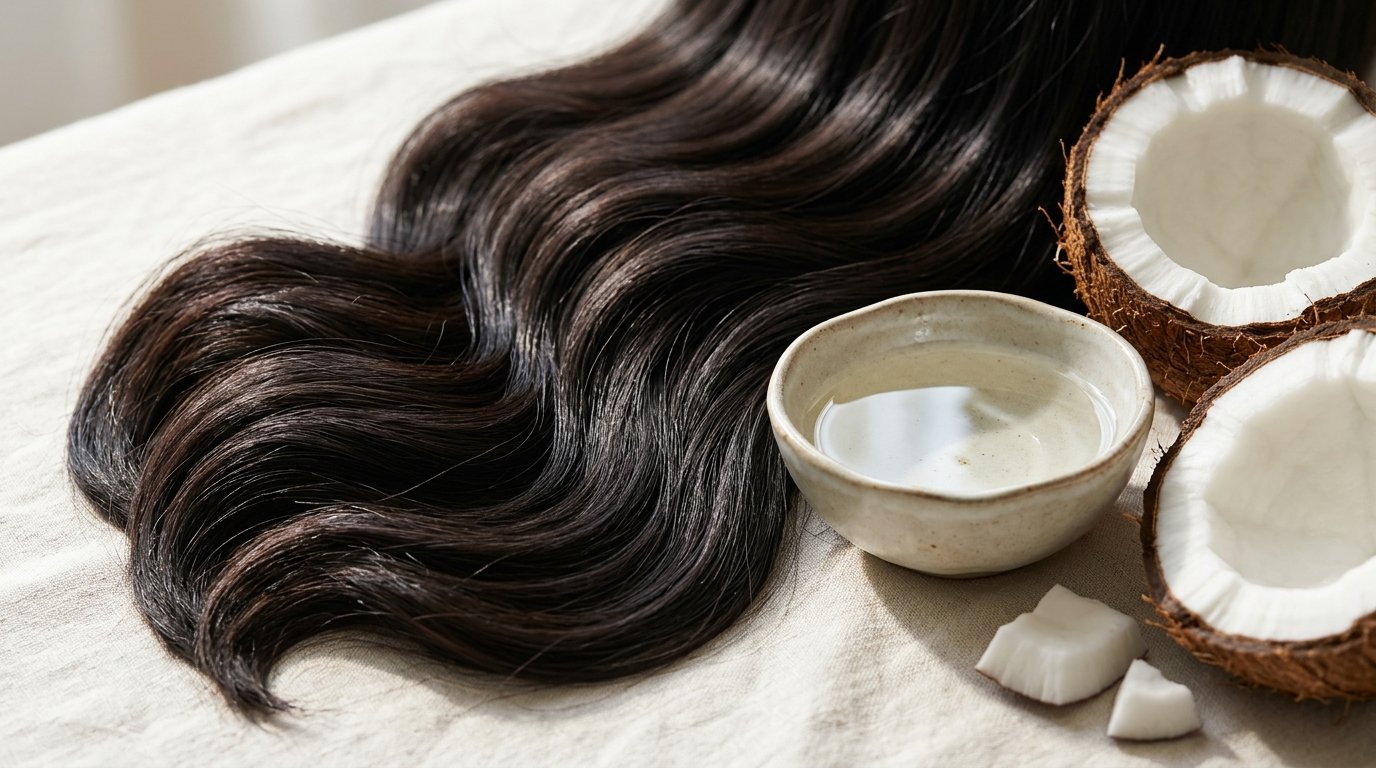
The commonest mistake is buying for the wrong row of the definition table. A coating spray cannot fix shedding, and a supplement cannot fix a wispy hemline.
The second mistake is stacking ten remedies at once. When something irritates your scalp, you cannot tell which product did it, and contact dermatitis can itself trigger shedding.
The third mistake is megadosing supplements without a test. Excess vitamin A is linked to hair loss, and high dose biotin can corrupt the lab results meant to help you.
The fourth mistake is quitting at week three. Retention and shedding changes need a full growth cycle window, and the timeline table above is the honest calendar to judge by.
Frequently Asked Questions
Can natural ways really increase hair thickness?
They can increase fullness, retention and perceived thickness, not strand width or follicle count. Gentle handling, scalp care and deficiency correction support the hair you have. Expect a fuller look over months, not new follicles.
What is the difference between hair thickness and hair density?
Thickness is the width of one strand, while density is how many strands grow per area of scalp. Fine hair can be dense, and coarse hair can be sparse. The two need different fixes.
Can you increase the number of hair follicles naturally?
No. Your follicle count is set before birth, and no food, oil or supplement has been shown to create new follicles. Natural methods protect existing follicles and keep their strands longer.
Can fine hair become thick permanently?
No natural method permanently widens a fine strand. Coating products and conditioning can make it feel thicker until washed out. A blunt cut and root lift give the most convincing lasting impression.
Why does my hair look thinner even though it is still growing?
Growth at the root can be outpaced by breakage at the ends or by extra shedding. The strand count reaching full length falls, so hair looks thinner while the scalp keeps producing hair.
What foods help hair look thicker?
Foods supplying protein, iron, zinc and omega 3 fats support normal growth: eggs, salmon, lentils, nuts and seeds. They help most when your diet was low in those nutrients beforehand.
Does protein help hair thickness?
Yes, indirectly. Hair is built from keratin, a protein, so eating too little protein can trigger shedding. Enough protein restores normal growth, but extra protein does not make strands wider.
Does biotin make hair thicker if you are not deficient?
There is no good evidence that it does. Biotin deficiency is rare, and the NIH Office of Dietary Supplements notes supplements mainly matter when a deficiency exists. High doses can also distort lab tests.
Which vitamin deficiencies can cause thinning hair?
Low iron, vitamin D, zinc and folate are the deficiencies most often discussed with thinning. A blood test confirms them. Guessing and supplementing blindly can waste money or cause harm.
Can too many vitamins cause hair loss?
Yes. The American Academy of Dermatology warns that excess vitamin A, and too much selenium or vitamin E, has been linked to hair loss. More than enough is not a growth strategy.
Does rosemary oil work as well as minoxidil?
In one small 2015 trial, rosemary oil matched minoxidil 2 percent for hair count at six months in pattern loss. That is comparable in that trial, not proof of superiority or a general replacement.
How do you use rosemary oil safely on the scalp?
Dilute a few drops in a carrier oil, patch test on skin first, and apply to the scalp before washing. Stop if you feel burning or develop a rash, and never use it undiluted.
Does scalp massage increase hair thickness?
One small 2016 study of nine men using four minutes daily for 24 weeks recorded thicker strands. That is preliminary support, not a guarantee. Massage is low risk and easy to keep up.
Does coconut oil make hair thicker or just reduce breakage?
Mainly breakage. Coconut oil reduces protein loss from strands in damage research, so ends survive longer and look fuller. It does not regrow hair or change the follicle.
Does castor oil regrow hair?
No solid trial shows castor oil regrowth. It coats strands, adds shine and reduces friction, which can cut breakage. Treat it as a cosmetic conditioner, not a density treatment.
Does rice water thicken hair?
Rice water can leave hair feeling stronger and shinier temporarily, likely from starch coating. There is no proof it thickens strands permanently or grows new hair. Overuse can leave hair stiff.
Do egg masks thicken hair permanently?
No. An egg mask coats hair with protein for a day, improving feel and shine. It cannot change strand width permanently, because the effect washes out and never reaches the follicle.
Does aloe vera help thinning hair?
Aloe can soothe an itchy scalp and condition strands, which supports a calmer routine. It has not been shown to reverse thinning or regrow hair. Use it for comfort, not density.
Can a thickening shampoo change hair density?
No. Thickening shampoo coats each strand so hair feels fuller until the next wash. It changes perceived thickness only, and honest labels describe it as a cosmetic effect.
How does dry shampoo make hair look thicker?
It absorbs oil at the roots, stopping fine strands from clumping into separated strings. The added grit lifts roots, so hair looks fuller. Applied before bed, it works overnight.
What haircut makes thin hair look thicker?
A blunt, mostly one length cut with a strong hemline. Ends that line up together read as dense, while heavy layering can make thin ends look wispy and sparse.
Do layers help or hurt thin hair?
They can do both. Light layers near the crown add movement, but long or heavy layers remove hemline density and hurt thin hair. Keep layers short and the perimeter full.
Can heat styling make hair look thinner over time?
Yes. Repeated high heat dries and weakens the shaft, so strands snap and ends thin out. Lower temperatures, heat protectant and heat free days slow that cumulative breakage.
Do tight ponytails and braids cause thinning?
They can. Constant tension can cause traction alopecia, starting at the hairline and part. Looser styles, varied positions and rest days reduce the pull before damage becomes permanent.
What is traction alopecia?
It is hair loss caused by repeated pulling on follicles from tight styles. Early traction loss can recover when tension stops. Long term pulling can scar follicles and become permanent.
What is telogen effluvium and does hair grow back?
It is temporary heavy shedding after stress, illness, childbirth or rapid weight loss. Follicles are not destroyed, so hair usually regrows once the trigger passes, over six to nine months.
What is androgenetic alopecia?
It is pattern hair loss, driven by genetics and hormones, causing gradual thinning at the part or crown. Natural care can support the scalp, but it does not reverse the condition alone.
Can stress cause hair to shed and look thinner?
Yes. Major stress can push many follicles into a shedding phase two to three months later. The delay hides the cause. Shedding usually eases once the stressful period ends.
Why is my ponytail thinner than before?
Common causes are extra shedding, breakage along the length, or gradual pattern thinning. Compare dated photos and check for short broken pieces. A shrinking ponytail over months deserves a dermatologist visit.
When should I see a dermatologist about thinning hair?
See one for sudden, patchy or rapid loss, scalp pain or scaling, a fast widening part, or shedding lasting beyond six months. Early diagnosis protects follicles that waiting could lose.
What blood tests are discussed for hair thinning?
Clinicians often discuss ferritin for iron stores, vitamin D and thyroid tests such as TSH. The right panel depends on your history. Tests guide treatment far better than supplement guessing.
Does thyroid disease affect hair thickness?
Yes. Both overactive and underactive thyroid conditions can cause diffuse shedding and finer feeling hair. Treating the thyroid issue, guided by a clinician, is what helps the hair recover.
Can postpartum shedding make hair look thin?
Yes. After birth, hormone shifts push many hairs into shedding at once, often around three to four months. It is usually temporary, with fullness returning over the following months.
Does menopause change hair thickness?
It can. Hormone changes around menopause may slow growth and thin the part in some women. Gentle care and camouflage help appearance, and a clinician can discuss medical options.
Is minoxidil a natural treatment?
No. Minoxidil is a drug, originally developed for blood pressure and approved for hair loss. It can be effective, but calling it natural is wrong, and it needs ongoing use.
Is finasteride a natural treatment?
No. Finasteride is a prescription drug that blocks a hormone pathway. It is not a natural remedy, it is not for everyone, and it should only be used under medical supervision.
How long do natural methods take to show a difference?
Cosmetic methods work the same day. Breakage control shows fuller ends in six to twelve weeks. Shedding and growth related changes need three to six months, matching the growth cycle.
Can silk pillowcases help hair look fuller?
Indirectly, yes. Silk creates less friction than cotton, so strands tangle and snap less overnight. Less breakage means more length survives, which reads as fuller hair over time.
Should you wash thinning hair less often?
Not automatically. A clean scalp supports healthy follicles, and oily buildup flattens fine roots. Wash as often as your scalp needs with a gentle shampoo, and condition the ends.
Does pumpkin seed oil increase hair count?
One small 2014 trial in men with mild pattern loss reported a hair count rise over 24 weeks. That is one study in one group, not a general guarantee for everyone.
Can men and women use the same natural routine?
Mostly, yes. Breakage control, scalp care, nutrition and cosmetic lift work for everyone. Pattern loss presents differently by sex, so persistent thinning deserves individual medical advice.
What should you stop doing if you want fuller looking hair?
Stop tight styles, daily high heat, rough detangling and megadose supplements without a test. Those four habits quietly remove or endanger more hair than most remedies can protect.
Conclusion
Natural ways to increase hair thickness work best when you aim them at the right target. Strand width and follicle count stay fixed, but retention, breakage and perceived fullness are genuinely yours to improve.
Start with the unfashionable wins this week: loosen the styles, lower the heat and detangle gently. Add one scalp habit, eat enough protein, and test before you supplement anything.
Then take the same day wins without apology. A blunt hemline, root lift and honest camouflage are not shortcuts around the biology; they are the part of the result you control today.
Give the routine three to six months, track it with photos, and keep exploring the FashionGleem homepage hair guides as new cluster pieces publish. If loss turns sudden, patchy or rapid, trade the routine for a dermatologist appointment first.

Dilawar is a contributing writer at Fashiongleem.com, focusing on beauty, hairstyles, skincare, fashion accessories, and personal grooming. He creates informative, easy-to-follow articles that help readers explore new looks, understand popular beauty trends, and improve their everyday styling routines. His writing emphasizes practical advice, useful product information, and accessible fashion inspiration for modern readers.