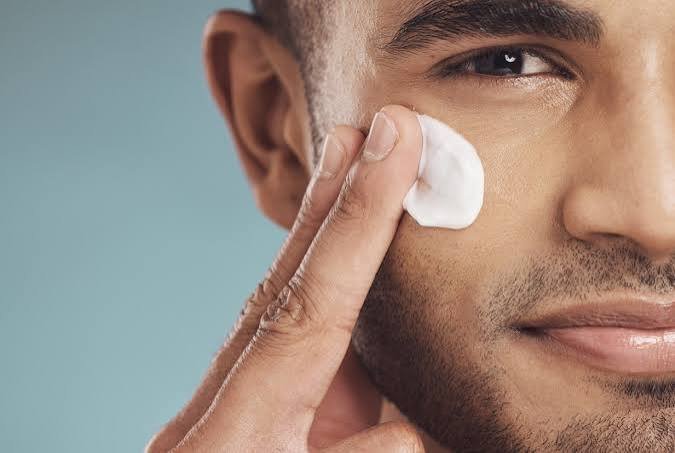

Skincare Routine for Beginners: A Simple Step-by-Step Guide to Healthy, Glowing Skin 2026
Walk into any beauty aisle and you will feel it. Serums, toners, essences, masks, oils, acids, each promising to transform your skin by next Friday. Add a few viral videos telling you to use twelve steps, and suddenly caring for your face feels like a chemistry exam.
Here is the truth that dermatology experts repeat again and again: great skin does not start with a shelf full of products. It starts with a few simple habits done consistently.
That is what a good skincare routine for beginners is all about. Cleanse gently. Moisturize. Protect from the sun. Then, only when your skin is happy, add something extra for a specific goal.
Table of Contents
What Is a Skincare Routine?

A skincare routine is a set of regular steps you follow to clean, protect, and care for your skin. It usually includes a morning routine and an evening routine.
The goal is not perfect skin. It is healthy skin that stays hydrated, protected, and comfortable.
Why a Routine Matters
Your skin faces dirt, oil, pollution, sun, and friction every day. A routine helps remove buildup, support the skin barrier, and protect against damage that adds up over time.
Consistency Beats Complexity
A basic routine used every day works better than a complicated routine used once in a while. Skin responds to steady care.
The Basic Beginner Skincare Routine at a Glance
Every beginner routine can be built from three core steps. These are the foundation of healthy skin.
| Step | Morning | Night |
|---|---|---|
| 1. Cleanse | Gentle cleanser or water rinse | Gentle cleanser |
| 2. Moisturize | Lightweight or regular moisturizer | Moisturizer |
| 3. Protect | Broad-spectrum sunscreen | Not needed |
The Minimum Routine
If you feel overwhelmed, start with this: a gentle cleanser, a moisturizer, and sunscreen. That is enough to improve most people’s skin health.
Understand Your Skin Type First
Choosing products that suit your skin type helps you avoid irritation and wasted money. Most skin falls into one of five types.
| Skin Type | How It Feels | Common Concerns |
|---|---|---|
| Normal | Balanced, not too oily or dry | Few issues |
| Dry | Tight, rough, may flake | Dullness, flaking, fine lines |
| Oily | Shiny, especially on the forehead and nose | Enlarged-looking pores, breakouts |
| Combination | Oily T-zone, drier cheeks | Mixed concerns |
| Sensitive | Easily red, itchy, or stinging | Irritation, reactions to products |
A Simple Skin Type Test
Wash your face with a gentle cleanser and pat it dry. Leave it bare for about an hour. If it feels tight, it is likely dry. If it looks shiny all over, it is probably oily. If only your forehead, nose, and chin shine, you likely have combination skin.
Skin Type vs Skin Concern
Skin type is mostly genetic, while skin concerns such as acne, dark spots, or redness can change over time. You can have oily skin with dryness, or dry skin with breakouts.
Step 1: Cleanser
Cleansing removes dirt, oil, sweat, and makeup so that the rest of your routine works better.
How to Choose a Cleanser
| Skin Type | Best Cleanser Type |
|---|---|
| Dry or sensitive | Cream, milk, or hydrating gel cleanser |
| Oily or acne-prone | Gel or foaming cleanser, gentle formula |
| Combination | Gentle gel or lightweight cream cleanser |
| Normal | Most gentle cleansers work well |
How to Cleanse Properly
- Wet your face with lukewarm water
- Massage a small amount of cleanser into your skin for about 30 to 60 seconds
- Rinse thoroughly
- Pat dry with a clean towel without rubbing
How Often to Cleanse
Most people do well cleansing twice a day, morning and night. If your skin is very dry or sensitive, you can rinse with water in the morning and cleanse only at night.
What to Avoid
Avoid harsh, stripping cleansers that leave your skin squeaky or tight. Hot water and aggressive scrubbing can damage your skin barrier.
Step 2: Moisturizer
Moisturizer helps hold water in your skin and supports the skin barrier. Every skin type needs one, including oily skin.
How Moisturizers Work
They combine ingredients that attract water, soften the skin, and seal in moisture. This keeps skin comfortable, smooth, and resilient.
Choosing the Right Moisturizer
| Skin Type | Best Texture |
|---|---|
| Dry | Rich cream or balm |
| Oily | Lightweight gel or lotion |
| Combination | Light lotion or gel-cream |
| Sensitive | Fragrance-free, simple formula |
| Normal | Lotion or light cream |
Helpful Moisturizer Ingredients
- Hyaluronic acid draws water into the skin
- Glycerin is a gentle humectant that hydrates
- Ceramides help support the skin barrier
- Petrolatum and shea butter seal in moisture
- Niacinamide soothes and supports the barrier
How to Apply
Apply moisturizer to slightly damp skin after cleansing. Use a small amount and spread it evenly over your face and neck.
Step 3: Sunscreen

Sunscreen is the most important step in any skincare routine. Ultraviolet rays contribute to sunburn, dark spots, premature aging, and skin cancer.
What to Look For
The American Academy of Dermatology recommends choosing a broad-spectrum, water-resistant sunscreen with an SPF of 30 or higher. Broad-spectrum means it protects against both UVA and UVB rays.
How to Apply
Apply sunscreen generously as the last step of your morning routine. Use about a teaspoon for the face and neck, and reapply roughly every two hours when outdoors or after swimming or sweating.
Mineral vs Chemical Sunscreen
| Type | How It Works | Good For |
|---|---|---|
| Mineral (zinc oxide, titanium dioxide) | Sits on the skin and reflects UV rays | Sensitive skin |
| Chemical | Absorbs UV rays and converts them to heat | Lightweight, invisible finish |
Choose the type you will actually use every day. The best sunscreen is the one you wear consistently.
Sunscreen on Cloudy Days and Indoors
UV rays can penetrate clouds and windows. Wear sunscreen daily, even when it is overcast.
Your Beginner Morning Skincare Routine
A morning routine focuses on protection and hydration. It can take less than five minutes.
Step by Step
- Rinse or cleanse your face with lukewarm water and a gentle cleanser
- Optionally apply an antioxidant serum, such as vitamin C
- Apply moisturizer
- Finish with broad-spectrum sunscreen
Morning Tips
- Wait a minute between steps if products feel sticky
- Do not skip sunscreen
- Apply lip balm with SPF if your lips get dry
Your Beginner Night Skincare Routine
A night routine focuses on cleansing and repair. Your skin does much of its renewal while you sleep.
Step by Step
- Remove makeup and sunscreen with a cleansing balm or micellar water if needed
- Cleanse with a gentle cleanser
- Apply a treatment if you use one, such as retinoid or acne treatment
- Apply moisturizer
Night Tips
- Change your pillowcase regularly
- Never sleep in makeup
- Use a thicker moisturizer at night if your skin is dry
Double Cleansing: Do You Need It?
Double cleansing means using an oil or balm cleanser first, followed by a water-based cleanser. It helps remove sunscreen, makeup, and oil.
When It Helps
Double cleansing is useful if you wear heavy makeup or water-resistant sunscreen. If you wear little makeup, a single gentle cleanse is usually enough.
Optional Extra Steps for Beginners
Once your basic routine feels comfortable for a few weeks, you can add one extra step at a time. Do not add many products at once.
Toner
Toner is optional. Hydrating toners can add moisture, while exfoliating toners contain acids and may irritate if overused.
Serums
Serums are lightweight, concentrated products that target specific concerns. Choose one based on your goal, such as hydration, brightening, or acne.
Eye Cream
An eye cream is optional. Many people use their regular moisturizer around the eyes. Choose a gentle formula if your skin is sensitive.
Face Masks
Hydrating or clay masks can be used once or twice a week. They are a nice extra, not a necessity.
Exfoliation
Exfoliation removes dead surface cells. Beginners should start slowly with a gentle chemical exfoliant, no more than once or twice a week.
Lip Care
Use a lip balm, ideally with SPF, to keep lips soft and protected.
Skincare Ingredients Beginners Should Know
Understanding a few key ingredients helps you choose products with confidence.
| Ingredient | What It Does | Best For | Beginner Note |
|---|---|---|---|
| Hyaluronic acid | Attracts and holds water | All skin types, especially dry | Apply on damp skin |
| Glycerin | Hydrates and softens | All skin types | Very gentle |
| Ceramides | Support the skin barrier | Dry and sensitive skin | Good in moisturizers |
| Niacinamide (vitamin B3) | Soothes, helps oil balance and tone | Oily, acne-prone, uneven tone | Start with lower strengths |
| Vitamin C | Antioxidant, brightens | Dull skin, dark spots | Use in the morning, patch test |
| Retinoids (retinol, adapalene) | Support cell turnover, acne, texture | Acne, fine lines | Start slowly and use at night |
| Salicylic acid (BHA) | Unclogs pores | Oily and acne-prone skin | Start a few times a week |
| Glycolic or lactic acid (AHA) | Exfoliates the surface | Dullness, rough texture | Use sparingly |
| Benzoyl peroxide | Reduces acne-causing bacteria | Acne | Can dry and bleach fabric |
| Azelaic acid | Calms redness, helps spots | Acne, rosacea, dark spots | Often well tolerated |
| Zinc oxide | Physical sun filter, soothing | Sensitive skin | Common in mineral sunscreen |
| Peptides | Support skin firmness | Mature skin | Gentle and beginner friendly |
Ingredients to Introduce Carefully
Retinoids, exfoliating acids, benzoyl peroxide, and high-strength vitamin C can irritate the skin if you use them too often or too soon. Introduce only one at a time.
The Correct Order to Apply Skincare Products

Applying products in the right order helps them work properly. The general rule is thinnest to thickest.
| Order | Product Type | Time of Day |
|---|---|---|
| 1 | Cleanser | Morning and night |
| 2 | Toner (optional) | Morning and night |
| 3 | Serum or treatment | Morning or night |
| 4 | Eye cream (optional) | Morning and night |
| 5 | Moisturizer | Morning and night |
| 6 | Sunscreen | Morning only |
Waiting Time
Some active ingredients, such as retinoids and acids, work best when your skin is fully dry before application. Moisturizers and hydrating serums can go on damp skin.
Skincare Routine for Dry Skin
Dry skin needs hydration and protection. The goal is to restore the skin barrier and prevent moisture loss.
Morning
- Gentle cream cleanser or water rinse
- Hydrating serum with hyaluronic acid
- Rich moisturizer
- Sunscreen
Night
- Gentle cream cleanser
- Hydrating serum
- Thicker moisturizer or balm
Tips
Avoid hot showers and harsh foaming cleansers. Use a humidifier in dry weather.
Skincare Routine for Oily Skin
Oily skin needs balance, not stripping. Over-cleansing can cause skin to produce even more oil.
Morning
- Gentle gel cleanser
- Niacinamide serum (optional)
- Lightweight gel moisturizer
- Oil-free sunscreen
Night
- Gentle gel cleanser
- Salicylic acid treatment a few nights a week (optional)
- Lightweight moisturizer
Tips
Do not skip moisturizer. Look for non-comedogenic products, and avoid harsh scrubs.
Skincare Routine for Combination Skin
Combination skin needs a balanced approach.
Morning
- Gentle gel or lotion cleanser
- Lightweight moisturizer
- Sunscreen
Night
- Gentle cleanser
- Hydrating or balancing serum
- Light moisturizer
Tips
Apply richer products on dry areas and lighter products on the T-zone.
Skincare Routine for Sensitive Skin
Sensitive skin reacts easily, so simple routines work best.
Morning
- Water rinse or very gentle cleanser
- Fragrance-free moisturizer
- Mineral sunscreen
Night
- Gentle cleanser
- Barrier-supporting moisturizer with ceramides
Tips
Patch test every new product. Avoid fragrance, harsh acids, and too many actives. Introduce new products slowly.
Skincare Routine for Acne-Prone Skin
Acne-prone skin benefits from gentle care and targeted treatment.
Morning
- Gentle cleanser
- Lightweight moisturizer
- Non-comedogenic sunscreen
Night
- Gentle cleanser
- Acne treatment such as adapalene, benzoyl peroxide, or salicylic acid
- Moisturizer
Tips
Introduce acne treatments slowly, since dryness and irritation are common at first. Avoid picking at blemishes. If acne is painful, severe, or leaves scars, see a dermatologist.
Skincare Routine for Dark Spots and Uneven Tone

Dark spots take time to fade, and sun protection is the most important step.
Helpful Ingredients
- Sunscreen, applied daily
- Vitamin C
- Niacinamide
- Azelaic acid
- Retinoids
Tips
Be patient. Fading can take several weeks to months. See a dermatologist for stubborn or changing spots.
Skincare Routine for Redness and Rosacea-Like Skin
Persistent redness may point to sensitivity or a condition such as rosacea.
Helpful Habits
- Use gentle, fragrance-free products
- Choose mineral sunscreen
- Avoid known triggers like heat, spicy foods, and alcohol
- Consider azelaic acid or niacinamide
If redness persists, see a dermatologist for an accurate diagnosis.
Skincare for Different Ages
Skin needs change over time, but the basics stay the same.
| Age Group | Focus |
|---|---|
| Teens | Gentle cleansing, oil control, sunscreen, acne care |
| 20s | Sunscreen, hydration, preventing damage |
| 30s | Sunscreen, antioxidants, retinoids, hydration |
| 40s | Barrier support, retinoids, peptides, hydration |
| 50s and beyond | Rich moisturizers, gentle care, sun protection |
Teens
Keep it simple. A gentle cleanser, light moisturizer, and sunscreen are enough. See a doctor for persistent acne.
20s
This is a great time to build a daily sunscreen habit. Add one targeted product if needed.
30s and Beyond
Fine lines and dullness may appear. Retinoids and antioxidants may help, along with consistent sun protection and hydration.
How to Introduce New Products Safely
Adding products slowly protects your skin from irritation and helps you identify what works.
Step 1: Patch Test
Apply a small amount of the product to your inner arm or behind your ear. Wait 24 hours to check for redness, itching, or swelling.
Step 2: Start Slowly
Use new active products two or three times a week at first. Increase use only if your skin tolerates it.
Step 3: Add One Product at a Time
Wait at least two weeks before introducing another new product. This helps you pinpoint the cause of any reaction.
Step 4: Watch for Signs of Irritation
Stinging, redness, peeling, or burning mean you should reduce frequency or stop using the product.
Retinoids for Beginners
Retinoids are vitamin A derivatives that support cell turnover and can help with acne, fine lines, and texture. They are among the most studied skincare ingredients, but they can be drying at first.
How to Start
Use a pea-sized amount for the whole face, two or three nights per week. Apply to dry skin, then follow with moisturizer.
What to Expect
Dryness, flaking, and sensitivity can appear in the first few weeks. This usually settles as your skin adjusts.
Important Safety Notes
- Always wear sunscreen during the day
- Avoid using with strong acids on the same night
- Retinoids are generally not recommended during pregnancy, so speak with a healthcare provider if you are pregnant or planning to be
Exfoliation for Beginners
Exfoliation can smooth skin and brighten dullness, but too much damages the barrier.
Physical vs Chemical Exfoliation
| Type | How It Works | Beginner Note |
|---|---|---|
| Physical scrubs | Manual removal with particles | Can be harsh, use gently |
| AHAs | Dissolve bonds between dead cells | Good for dullness, start slowly |
| BHAs | Penetrate pores | Good for oily skin and blackheads |
| PHAs | Gentle exfoliants | Great for sensitive skin |
How Often
Start with once a week and work up to two or three times only if your skin tolerates it. Stop if you notice stinging or tightness.
Understanding the Skin Barrier
The skin barrier is the outer layer of your skin that keeps moisture in and irritants out. A healthy barrier means calm, comfortable skin.
Signs of a Damaged Barrier
- Tightness and dryness
- Redness and stinging
- Flaking or rough patches
- Breakouts
- Products that suddenly sting
How to Repair It
Simplify your routine. Use a gentle cleanser, ceramide moisturizer, and sunscreen. Pause exfoliating acids and retinoids until your skin recovers.
Lifestyle Habits That Support Healthy Skin

Skincare products are only part of the picture. Daily habits matter too.
Sleep
Aim for consistent, quality sleep. Rest supports overall health and may help skin look refreshed.
Hydration
Drinking enough water supports general health, though it will not replace moisturizer.
Balanced Diet
A varied diet with fruits, vegetables, whole grains, healthy fats, and enough protein supports skin health. No single food will fix skin concerns.
Exercise
Regular activity improves circulation. Cleanse your face after sweating.
Stress Management
Stress can worsen some skin conditions. Relaxation, movement, and hobbies can help.
Avoid Smoking
Smoking is linked to premature aging and dull skin.
Common Skincare Mistakes Beginners Make
Avoid these mistakes for better, calmer skin.
Skipping Sunscreen
This is the most common and most costly mistake. Wear sunscreen every day.
Using Too Many Products
Layering many products can irritate the skin. Keep your routine simple.
Over-Exfoliating
Scrubbing or exfoliating daily damages the barrier and causes redness and breakouts.
Changing Products Too Often
Skin needs time to adjust. Give a new routine at least four to six weeks before judging results, unless you have a reaction.
Picking at Spots
Picking can cause scarring and dark marks. Use spot treatments or see a professional.
Using Hot Water
Hot water strips natural oils. Use lukewarm water for cleansing.
Ignoring Your Neck and Hands
These areas show sun damage too. Extend skincare and sunscreen to the neck and hands.
Believing Every Trend
Not every viral product or hack suits your skin. Choose evidence-based basics first.
Skincare Myths Beginners Should Ignore
Misinformation spreads quickly online. Here are a few myths to skip.
Myth: Oily Skin Does Not Need Moisturizer
Oily skin still needs hydration. Skipping moisturizer can make skin feel tight and produce more oil.
Myth: Expensive Products Always Work Better
Price does not guarantee results. Many affordable products contain the same proven ingredients.
Myth: You Do Not Need Sunscreen on Dark Skin
All skin tones need sun protection. Darker skin can still burn, develop dark spots, and get skin cancer.
Myth: Natural Always Means Safe
Natural ingredients can cause allergic reactions and irritation. Patch test everything.
Myth: Tingling Means It Is Working
Stinging and burning are signs of irritation, not effectiveness.
Myth: Pores Open and Close
Pores do not open and close like doors. Cleansing removes buildup, but it will not change pore size.
How Long Does It Take to See Results?
Skin renews itself over weeks, so patience is essential. Many people notice improved hydration within days, while changes in texture, acne, and dark spots can take several weeks to months.
| Goal | Typical Timeframe |
|---|---|
| Hydration and comfort | Days to a couple of weeks |
| Acne improvement | Often 6 to 12 weeks |
| Dark spots | Several months |
| Fine lines and texture | Several months with consistent use |
These timelines vary from person to person and depend on the product and skin condition.
What About Purging and Breakouts?
When you start certain active ingredients, such as retinoids or exfoliating acids, you may notice a temporary increase in breakouts. This is sometimes called purging.
How to Tell Purging From a Bad Reaction
Purging usually appears in your usual breakout areas and improves within several weeks. A bad reaction often involves burning, widespread redness, itching, or breakouts in new areas.
If you are unsure, stop the product and consult a dermatologist.
When to See a Dermatologist
Skincare routines can improve many concerns, but some issues need professional care.
Signs You Should Seek Help
- Painful, deep, or scarring acne
- Rashes that do not improve
- Persistent redness, burning, or flaking
- Itching that continues without explanation
- Moles or spots that change in size, color, or shape
- Sudden or severe reactions to products
- Concerns about hair loss or nail changes
A dermatologist can diagnose skin conditions and prescribe treatments that products from the store cannot match.
Skincare on a Budget
Healthy skin does not require expensive products.
Focus on the Essentials
Cleanser, moisturizer, and sunscreen are the most important. Affordable options from reputable brands work well.
Choose Multi-Purpose Products
A moisturizer with SPF can simplify your morning routine, though dedicated sunscreen is usually applied more generously.
Buy One Active at a Time
Add a single active ingredient product only when you need it. This also protects your skin from overload.
Read Ingredient Lists
Look for proven ingredients and avoid paying for marketing claims.
How to Build a Routine Step by Step
Use this simple plan to start.
Week 1 to 2: Basics Only
Use a gentle cleanser, moisturizer, and sunscreen. Let your skin adjust.
Week 3 to 4: Add One Product
Choose one active or serum to target your main concern. Use it two or three times a week.
Week 5 to 8: Fine-Tune
Increase frequency if your skin tolerates it. Observe changes and adjust as needed.
After Two Months: Evaluate
Decide whether the routine is working. Keep what helps, remove what does not.
Skincare Glossary for Beginners
New terms can be confusing. This list helps.
| Term | Meaning |
|---|---|
| Broad-spectrum | Protects against UVA and UVB rays |
| Non-comedogenic | Formulated not to clog pores |
| Humectant | Ingredient that attracts water |
| Emollient | Ingredient that softens and smooths |
| Occlusive | Ingredient that seals in moisture |
| Active ingredient | Ingredient that targets a specific concern |
| Exfoliation | Removing dead surface skin cells |
| Skin barrier | Outer layer that holds moisture and blocks irritants |
| Patch test | Testing a product on a small area before full use |
| Purging | Temporary breakouts after starting certain actives |
Quick Decision Guide: Which Routine Fits You?
Use this table to find your starting point.
| Situation | Best Starting Routine |
|---|---|
| Brand new to skincare | Cleanser, moisturizer, sunscreen |
| Dry, tight skin | Cream cleanser, hyaluronic serum, rich moisturizer |
| Oily, shiny skin | Gel cleanser, lightweight moisturizer, oil-free sunscreen |
| Acne-prone | Gentle cleanser, acne treatment at night, moisturizer, sunscreen |
| Sensitive or reactive | Minimal routine with fragrance-free products |
| Dark spots | Sunscreen, vitamin C, niacinamide |
| Early signs of aging | Sunscreen, retinoid at night, moisturizer |
Also Read:
- Glow Up Routine: The Complete Step-by-Step Guide to Build Yours in 2026
- Clean Girl Makeup: The Complete Guide to a Fresh, Glowy, Effortless Look in 2026
- Glow Up Tips: The Complete Guide to Looking and Feeling Your Best in 2026
- Beauty Routine at Home: The Secret to Glowing Skin & Hair 2026
- Popular Layered Haircuts For Men: 22 Attractive Hairstyles
- 4 Guard Buzz Cut: A Classic Short Hairstyle for a Clean Look
- 5 Guard Buzz Cut: The Perfect Balance Between Short and Full Hair
- 6 Guard Buzz Cut for a Clean and Natural Look
- 10 Guard Buzz Cut Styles for Every Face Shape
- Buzz Cut Fade: A Modern Haircut That Never Goes Out of Style
- 30 Stylish Burst Fade Comb Over Haircuts for Men in 2026
- 16 Guard Buzz Cut: A Longer Buzz Cut for a Clean, Natural Look
- Attractive Medium Length Hairstyles For Men
- The Quiff Hairstyle: 28 Stylish Variations For Modern Men
- Top 10 Asian Mullet Hairstyle
- 22 Burst Fade Slick Back Haircut Ideas for Men in 2026
- Burst Fade Taper Haircut: 23 Best Styles for Men in 2026
- Burst Fade Mohawk Haircut: 25 Bold Styles for Men in 2026
- Top 10 Mohawk Mullet Variations 2026
- Curly Burst Fade Haircut: 35 Styles for Every Curl Type (2026)
- 37+ Mid Fade Haircuts Men Love for a Sharp, Modern Look
- Low Taper Fade Buzz Cut: 26 Best Styles for Men in 2026
- Low Taper Fade Middle Part: Top 26 Powerful Hairstyles for Men in 2026
- Low Taper Fade Textured Crop Haircut: Top 26 Best Styles for Men in 2026
Frequently Asked Questions (FAQs)
What is the best skincare routine for beginners?
A simple routine of gentle cleanser, moisturizer, and broad-spectrum sunscreen in the morning, plus cleanser and moisturizer at night, is the best starting point.
What order should I apply skincare products?
Generally from thinnest to thickest: cleanser, toner, serum, eye cream, moisturizer, then sunscreen in the morning.
How many steps should a beginner routine have?
Three steps are enough: cleanse, moisturize, and protect with sunscreen. Add extra products slowly, one at a time.
Do I need a toner?
No. Toner is optional. If you use one, choose a hydrating, alcohol-free formula, especially if your skin is sensitive.
Should I use a serum as a beginner?
Only if you have a specific concern. Add one serum at a time after your basic routine feels comfortable.
What SPF should I use?
Choose a broad-spectrum sunscreen with SPF 30 or higher. Apply it daily and reapply about every two hours when outdoors.
Do I need sunscreen indoors?
UV rays can come through windows, so daily sunscreen is a good habit, particularly if you sit near windows or spend time outside.
How often should I wash my face?
Most people cleanse twice a day. If your skin is very dry or sensitive, a water rinse in the morning may be enough.
Is it okay to use moisturizer on oily skin?
Yes. Oily skin still needs hydration. Use a lightweight, oil-free moisturizer.
What ingredient should I start with for acne?
Gentle options include salicylic acid, benzoyl peroxide, or adapalene. Start slowly and consult a dermatologist for persistent acne.
When should I start using retinol?
Many people start in their 20s or 30s, or earlier if they have acne. Begin with a low strength two or three nights a week and always use sunscreen.
Can I use vitamin C and retinol together?
Many people use vitamin C in the morning and retinol at night to reduce irritation. Introduce them separately and patch test first.
How long does it take for a skincare routine to work?
Hydration improves within days to weeks. Acne, dark spots, and texture changes often take several weeks to months.
Why is my skin breaking out after starting a new product?
It may be purging, irritation, or a reaction. If you have burning, swelling, or breakouts in new areas, stop using the product and ask a professional.
How do I know if a product is right for my skin?
Patch test first, introduce it slowly, and watch for redness, stinging, or breakouts over a few weeks.
What should I do if my skin burns after a product?
Rinse it off with lukewarm water, stop using the product, and apply a gentle moisturizer. See a doctor if irritation is severe or does not improve.
Can I use my moisturizer as a night cream?
Yes. A good moisturizer works day and night. You can use a richer cream at night if your skin is dry.
Do men need a different skincare routine?
The basics are the same. Choose products based on skin type and concerns, not gender. Cleanser, moisturizer, and sunscreen suit everyone.
Is expensive skincare better?
Not necessarily. Many affordable products contain effective ingredients. Focus on formula and suitability, not price.
Should I see a dermatologist before starting a routine?
Not required for a basic routine, but a dermatologist is helpful for persistent acne, rashes, changing moles, or any concern that does not improve.
Conclusion
A skincare routine for beginners does not need to be complicated. Cleanse gently, moisturize daily, and protect your skin with sunscreen every morning. These three habits do more for your skin than any trending product.
Once your skin feels comfortable, add one targeted ingredient at a time, such as niacinamide, vitamin C, a retinoid, or an acne treatment. Patch test, go slowly, and give each change several weeks before deciding if it works.
Avoid the common traps: too many products, over-exfoliating, skipping sunscreen, and chasing every viral trend. Listen to your skin, adjust when it feels irritated, and see a dermatologist for persistent or worrying concerns.
Healthy skin is built through consistency, patience, and simple habits. Start small, stay steady, and your skin will reward you.